 Here’s a secret: I had to set up screen time limits on my own phone because I loved scrolling Instagram so much. I’m not alone. By 2025, there will be a projected 1.44 billion Instagram users worldwide. And it’s not just for personal use: Marketing with Instagram is a powerful tool for small- and medium-sized companies of all sizes and in nearly all industries. You can create a fun campaign that will get your followers engaged and help new prospective customers learn about your products, services, and overall values. Trust me, this social media platform draws people in — which is exactly why getting started on Instagram is so worth it for business owners and marketing professionals. Instagram as a marketing tool As one of the world’s leading social media sites, Instagram has a business model that is made for marketing. They create a platform that draws attention, and business owners can then utilize paid and organic marketing campaigns to leverage that attention. In 2023, Instagram users range mostly in age from 18 to 44 years old across both sexes. It’s one of the preferred social media outlets for teenagers, although it’s most popular in households with an income of $100,000 a year or more. As with all marketing initiatives, the narrower the focus on your target audience, the more likely you can connect with a message that resonates with them. As you determine who your prospects are and how to reach them on Instagram, use data to better understand what your current and future customers are most interested in. Know their pain points, habits, and values so you can create a social ad campaign on Facebook and Instagram to drive traffic to your website. Why should you be marketing on Instagram? Marketing works best when you can bring the message to where the people are rather than try to get the people to come to you and your message. Instagram is a social media platform where people spend their time. (Hence, my need for screen time limits to help me use my time wisely!) Marketing with Instagram has other benefits, too. When businesses embark on a social media campaign on this platform, they can enjoy the time savings that come with social media automation. You can use free tools to schedule posts well in advance of publication, and you can plan ads to run automatically, too. Behind the scenes, when you set up your Instagram business profile, you can view analytical metrics to determine the success of your campaign in real-time. Instagram Analytics is a free tool that helps you determine if you’re reaching your target audience and provides data-driven guidance for pivoting if necessary.  Instagram users get sponsored content, which are pay-per-click ads, right in their news scroll. That makes it easy to click and learn more. And finally, Instagram is fun! If your brand wants to embody a relaxed, human tone, the informal style of Instagram Live or Instagram Reels is a great way to do it. If something doesn’t resonate, that’s fine: Content will disappear after 24 hours unless you save it and add it to your Instagram Business profile page under Highlights. How Instagram marketing works There are two avenues for marketing with Instagram. First, you can create a paid advertising campaign that will integrate sponsored content into the feeds of targeted Instagram followers. You can create a budget using pay-per-click pricing, which charges you when someone clicks on the ad. You can send them to your profile or a landing page on your website. Second, Instagram is effective for brands looking to grow a following and raise awareness of their products and services without paying for ads. This method is at the heart of entrepreneurial marketing, as you can maximize the opportunity to connect with your target audience — and their friends — just by staying active on the platform in a strategic way. Strategies for boosting customer engagement with Instagram marketing When first starting out, you need to create an effective method to use your limited resources effectively to help you reach your business goals. Integrate these best practices to encourage people to click the “follow” button. After all, that one click can be the first step on a customer journey that ends in a lifetime of sales. Optimize your Instagram profile Take your time to set up your business Instagram profile. You’ll want your brand identity to be as clear and consistent here as it is on your website or at your brick-and-mortar store if you have one. Start the process by investigating the business profiles of your competition. See if they’re doing anything that can inspire you and ways you can improve to help your profile stand out. The ideal profile picture If your business has a brand logo, use that as your profile picture. This way, no one will be confused about whether they’ve landed on your official page or a knockoff. If your small business is currently a one-person show and you don’t have a logo yet, a professional headshot helps to literally put a face to the name. The perfect Instagram bio You don’t have a lot of room in the Instagram bio — just 150 characters — so, obviously, you’ll need to be concise. Use the space to describe the business and its purpose with as much of your brand’s personality as possible. Add target keywords, hashtags for your brand, and a call to action with a Linktree or other link consolidator to pages you mention in your stories or posts. Think of this as a digital extension of the elevator speech, where you have just an elevator ride to encourage a prospect to work with your business. In marketing with Instagram, if you don’t nail the bio, your customers will keep on scrolling. Get feedback until you’re satisfied. The best CTAs Instagram now lets you add links in the bio for businesses in the form of a pop-up collection of links known as a link tree. The best strategy is to create landing pages for a different CTA with each news feed post. Then, you can track the success of the post through the backend analytics of your website. At the very least, include a link to your home page that is easily clickable in your Instagram profile bio. This also helps with the credibility and trustworthiness of your brand. Set clear marketing goals Now that you’ve got your Instagram profile complete and a clear understanding of your target audience, you’re ready to create a marketing plan. The first step to any good strategy is setting goals. You won’t know if you’ve achieved the results you want if you don’t articulate exactly what you seek. Some goals could include:
Take your big goals and break them into measurable objectives with metrics that can track the results. Then, you can begin to craft a content calendar. Set up a content calendar The content calendar is the go-to document that outlines the action steps within a goal-focused strategy. It can be a simple spreadsheet with columns that delegate each phase of the task, including the type of content, set publication date, outlined text and images to be used, and the results of keyword research. The more work you can do in advance, the easier it will be to execute a time-bound plan. You’ll discover that time moves as quickly as a scroll, and you don’t want to be caught in a last-minute scramble to post. It’s always better to have a calendar so team members can know and agree on the plan. Leverage Instagram stories A popular way brands can expand their reach on Instagram is through the Instagram Stories feature. This is separate and more casual than the profile page, which stores all your posts that show up in the news feeds of followers. Use your Stories to interact with polls and questions.  Reels and Stories are fun ways to share the quick moments that make your work special. Keep it fun with music, hashtags and geo-locators, which get you noticed by people who aren’t following you — yet. Run contests and giveaways Perhaps the best part of marketing with Instagram is all the contests and giveaways. So many of my friends will enter contests by sharing a post on their Stories and following a brand profile. It’s free and fun for them, and it’s excellent outreach for the brand. I see it when I’m scrolling through to see what’s new with them. Think about what would motivate your followers to spend five minutes doing the same thing. Leverage collaborations and influencer marketing While the word-of-mouth marketing of giveaways is great, influencer marketing can be even more effective — if your brand partners with the right person. If there is an influencer with a strong following of people who are part of your target audience, consider creating a contract to work together. If you can find someone with a smaller following but who resonates with your Instagram followers, that partnership could be more affordable. You can also collaborate with other brands that overlap an audience, even reaching out to nonprofits that share values with your company. For example, a farm-to-table restaurant may want to partner with an after-school program that teaches children how to grow their own vegetables. Or, a wedding photographer may want to join marketing forces with a catering company. Just because you have an Instagram business account doesn’t mean you can’t enjoy social networking on the platform, too. Measure success When your campaign ends, schedule a time to analyze the metrics that relate back to the goal you set at the beginning. Look closely at the data to see if your customers have moved further along the marketing life cycle or whether you’ve met your goals. Measuring your success is the best way to learn from the campaign and improve for next time. Benefits of Instagram marketing for your business There are good reasons why so many companies take the time to master social media marketing with Instagram. Here’s a quick wrap-up to motivate you to do the same. Increased visibility and brand awareness Especially when you learn how to find hashtags to add to your posts, the Instagram platform is designed to help people find new things to learn about and enjoy. You can expand your reach and improve your brand awareness with a consistent plan for posting. Cost-effectiveness While you can certainly spend a lot on pay-per-click sponsored ads on Instagram, you can also work organically — meaning the only cost is the time you or your team put into the platform. Improved engagement You’ll see when followers like and comment on your posts. You can send direct messages, post feedback, and really start a conversation on Instagram. And unlike some other social media platforms, it’s almost always positive. Higher conversion rates Adding landing pages as calls to action can make it easy for your prospective customers to learn about your brand and make a purchase in just a few clicks. This process is known as a sales funnel, and it works. Better customer relationships Not only will your customers learn about your brand, but you can also learn about them. This is a powerful opportunity to deepen your relationship and use what you discover to refine your products and services. That, in turn, will improve your bottom line. Increased website traffic Instagram users are already online as they interact with your business profile, so it’s an easy next step on the customer journey to head over to your website. When you get more traffic to the website, you’re on your way to reaching your long-term business goals. Unlock the power of social media marketing More than just a fun way to spend time for regular users like me, Instagram is also an effective platform for businesses to get noticed and attract new customers. You’ll be able to reach your goals — and have fun doing it! As a first step to getting started on Instagram, make sure your brand has an Instagram business profile. Using the best practices you’ve learned, review the profile to see if there are ways to improve it. Look at other brand profiles to see what’s working and to inspire your creativity. When you’re proud of your profile, it’s time to plan out how you’re going to use your platform to reach your target audience. Source: https://www.constantcontact.com Image credit: South Florida Paddle Instagram
0 Comments
 It’s important to know what not to do as you grow your brand and business. While digital marketing includes many channels and tactics, that doesn’t mean anything goes. The biggest digital marketing mistakes ultimately boil down to these eight failures, including failure to engage in email marketing and the lack of a clear strategy. No need to worry, though; forewarned is forearmed! Here’s how to avoid the most common digital marketing mistakes. Common digital marketing mistakes and how to avoid them There are many ways to make these individual errors, but the key failure ultimately comes down to one of these overarching digital marketing mistakes. Failure to brand A clear brand image is crucial to every aspect of digital marketing. You need to understand your business and your audience to communicate persuasively. Steer clear of these top digital marketing mistakes with strong, consistent branding. Inconsistent brand attributes Imagine having a friend who changes their personality every time you meet them. Confusing, right? That’s exactly how your audience feels when your brand attributes are inconsistent. Your brand’s voice, style, and values should be consistent across all digital platforms. Build a strong brand to foster recognition, trust, and loyalty. Failure to identify your value Promoting your brand doesn’t mean bragging about your business. It’s about showcasing what sets you apart from your competitors. Use social media, email, and SEO-driven content marketing to spread the word, underscoring your unique selling proposition. What about your offering will make it attractive to a target audience? Why should they want to do business with you? Lack of transparency In the digital age, customers value transparency more than ever. Seventy-two percent of consumers consider transparency important, and two-thirds say they would switch brands over a question of detailed data. Be open and honest about your business practices. Share behind-the-scenes glimpses of your operations, involve your audience in decision-making, and be upfront about any issues or mistakes. Failure to strategize Why do most digital marketers fail? They focus on individual actions rather than developing a full digital marketing strategy. These digital marketing mistakes can derail efforts from the beginning. Absence of clear goals Without clear objectives, you risk doing a lot of work for little payoff. Know what you want to achieve long-term and the steps you need to take. Set SMART marketing goals that are specific, measurable, achievable, relevant, and time-bound. Then, you can create a strategy to realize them. Disjointed strategy Many people forget to integrate marketing efforts across channels. This disjointed approach can lead to inconsistent messaging and missed opportunities. Instead, develop a holistic strategy for a unified audience experience between all your channels. Improper budget A well-organized budget is essential. Without one, it’s easy to spend more than you expect and or waste money on low-yield activities. Note your investments of time as well as money. There’s a lot of free content marketing you can do, but make sure it appropriately rewards the time spent. No measurement of ROI Speaking of ROI, tracking it allows you to assess the effectiveness of your marketing and tweak your strategy. Pay attention to ROI metrics for digital campaigns. If popularity and web activity don’t translate to actual sales, look into the problem. Total self-reliance Sometimes, strategic thinking requires you to identify the areas where you need help. Seek expert assistance when needed. You can hire professionals or take advantage of the support resources offered by the platforms you use. Failure to leverage email Email marketing is a powerful tool in the arsenal of any business. It’s a direct line of communication with your audience and a chance to engage them, convert them, and build lasting relationships. It also nets businesses an average ROI of $36 for every dollar spent, making it a crucial element of your marketing playbook. Make your email marketing strategy a priority, and avoid these related email marketing mistakes. No collection of email addresses Email addresses are golden tickets to your audience’s inbox. Set yourself up with email capture tools to collect them. People are often willing to share their email addresses in exchange for something valuable. This could be an informative newsletter, a discount code, or exclusive access to content. Poor personalization techniques Don’t send the same message to everyone. People want to feel seen and understood. Subscribers will end up leaving brands that don’t offer personalized experiences. Address people by name, and segment your email list based on demographics, purchasing behavior, and engagement levels. Spam Sending too many irrelevant emails can annoy your audience and tarnish your brand’s reputation. It’s a surefire way to get your emails marked as spam, which harms email deliverability, and might cause your unsubscribe rate to spike. Respect your audience’s inbox. Only send when you have something valuable to share. It’s also a good idea to let subscribers know how often to expect emails from you upfront, possibly in your welcome email. Failure to optimize websites Your website is the virtual storefront of your business. It’s where potential customers get a first impression, learn about your products or services, and buy them. Avoid these top digital marketing mistakes for your website. Slow speed No one likes to wait for a slow website to load. Moreover, slow speed can harm your search engine optimization, pushing your website down in search results. Optimize your website for speed. Consider using tools like Google PageSpeed Insights to identify and fix speed issues. 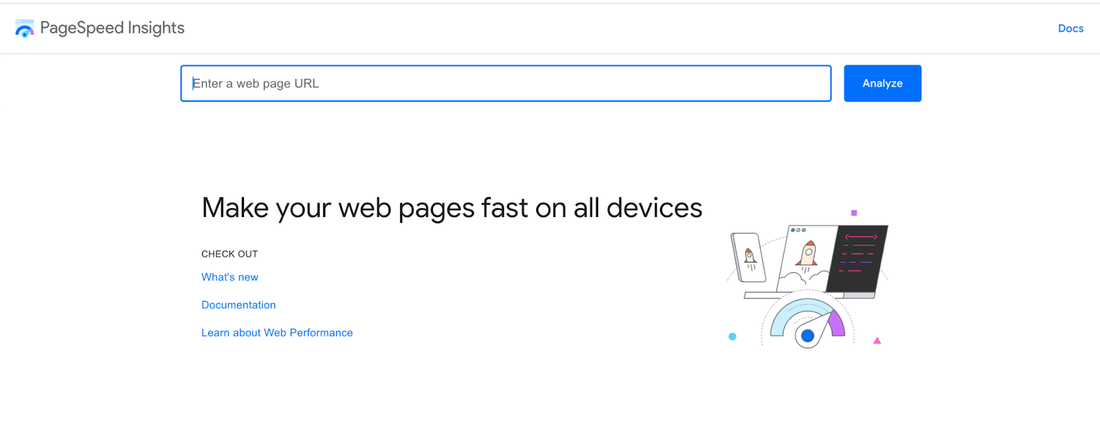 Google PageSpeed Insights is easy to use. Just type in your website address, and learn how to improve speed. Image source: PageSpeed Insights No attention to SEO Search engine optimization (SEO) involves making your website and content attractive to search engines, helping your site appear in relevant search results. Why is this so important? Over 25% of people click on the first result of their Google searches, and the click-through rate drops as you move down the page. You need to optimize for local search if you’re a local business. Include location-specific keywords in your website content, ensure your contact information is current and consistent, and create a Google Business Profile. Poor mobile experience More than a third of U.S. internet usage is conducted on a mobile device. If your website isn’t optimized for mobile, you risk alienating a significant portion of your audience. Failure to leverage organic posts Content marketing is a powerful way to connect with your audience, build interest in your brand, and drive conversions. Take advantage of audience-building opportunities for social media, blogs, and anything else you produce. Watch out for these social media mistakes and other potential pitfalls. Poor choice of social media platform Not every brand or every piece of content is suitable for every channel, and the wrong platform can limit your reach and impact. Learn where your audience spends their time online and prioritize those platforms. No blog or video content Blogs attract new visitors and boost SEO. Videos are visually appealing, easy to consume, and highly shareable. Ninety-one percent of consumers want to see more videos from brands. Start blogging and creating video content. You’ll integrate keywords into your website and create helpful resources for prospects. Lack of free content While charging for premium content is okay, putting too much of your content behind a paywall can discourage potential customers. Use free and gated content to promote your business and expertise while creating demand for paid material. Erratic posting schedule Don’t play hide and seek with your audience. To keep your audience engaged, maintain a regular posting schedule for your blog and social media. Consistency builds anticipation and keeps your audience coming back for more. Failure to convert Conversions differentiate brand popularity from brand success, turning audience members into customers or subscribers. Your content might fail to convert for one of these common reasons. Poor content conversion strategies Create content that speaks directly to your audience and makes them want more from your brand — more purchases, more information, and more engagement. Provide an easy next step in the customer journey with clear calls to action. CTAs prompt the viewer to take a desired action, like making a purchase or signing up for a newsletter. Make your CTA stand out visually, and use action-oriented language. Incorporate an abandoned cart recovery strategy, too. Customers often add items to their shopping carts but leave without completing the purchase, and according to Statista, North American customers abandon almost 80% of online carts. Consider sending reminder emails, offering discounts to complete the purchase, and making the checkout process simple. No lead validation Lead validation involves verifying the quality or relevance of leads to ensure they’re worth pursuing. Your lead validation process could involve qualifying questions, lead scoring, or follow-up communication. Identifying high-quality leads allows you to maximize your resources and increase your chances of conversion. Lack of promotions Discounts or sales promotions can help drive purchases, attract new customers, and boost customer loyalty. They incentivize customers to commit now instead of dragging out the process. You should also announce limited-time or new offerings. Spread the word across your channels and post major announcements on your website.  When you scroll down the webpage for local restaurant Travail, you find a seasonal promotion such as this announcement of holiday meal kits. Image source: Travail Failure to engage and serve consumers Customer engagement turns one-time buyers into loyal customers and brand advocates. These digital marketing mistakes stand in the way. Mediocre customer service Excellent customer service is not just about solving problems; it’s about creating a positive customer experience at every touchpoint. Provide high-quality support all over. Your customer service should be responsive, empathetic, and solution-oriented. You can use customer feedback to continuously improve the aspects that matter most to your clients. Prioritization of customer acquisition over retention The “statistic” that it costs five times as much to acquire a new customer as to keep an old one may have dubious origins, but there’s no doubt that customer retention is crucial to long-term success. Strike a balance between customer acquisition and retention. Develop strategies to keep your current customers engaged and satisfied, such as loyalty programs and personalized emails. Ignored comments or messages It’s crucial to engage with people who comment on your blog or send direct messages to your business. Show appreciation for all types of feedback (positive or negative), and address any concerns or complaints in a thoughtful, respectful manner. No social proof Positive customer testimonials and reviews do wonders for your brand’s reputation. If you’re not leveraging these happy customers, you’re missing out on a powerful form of social proof that can persuade people to choose your business. Actively ask for testimonials and showcase positive reviews across your digital channels. You should encourage customer referrals and reward them if you can afford it. Ask clients to spread the word about your business, and remember to say thank you when they come through. Failure to network With digital marketing, your network can be your net worth. Building connections with other professionals and businesses in your industry unlocks growth opportunities you might not have imagined. Lack of earned media Media coverage or publicity can significantly boost your brand awareness. If you’re not actively seeking this, you’re missing out on an opportunity to reach a wider audience. Develop a robust earned media strategy. This could involve press releases, media pitches, or events attracting media attention. No guest spots Writing content for other platforms, or guest blogging, is a fantastic way to expand your audience and establish authority in your field. Just make sure your content provides value to the regular audience while showcasing your expertise. The same goes for giving a speech at conferences and other events. Public speaking can be intimidating, but these are important networking and thought leadership opportunities. Try starting small, perhaps with a short presentation at a local event, and work your way up from there. Another way to extend your reach is to find and join online forums relevant to your industry. These can be goldmines of valuable insights and community-building opportunities. Participate actively by asking questions, sharing insights, and offering help. These platforms are about community, so focus on building relationships rather than just promoting your brand. No affiliate marketing Affiliate marketing strategies can extend your brand’s reach and generate sales. If you’re not leveraging these, you’re leaving money on the table. Consider building an affiliate program. Find affiliates who align with your brand values and have an audience potentially interested in your product or service. How to avoid making digital marketing mistakes Now that you know where your digital marketing strategy could falter without proper attention and effort, it’s time to focus on how to avoid those challenges. These best practices will help you avoid common digital marketing mistakes. Create a brand guide Your brand is more than just your logo or tagline; it’s the entire experience your customers have with your business. Create a clear, consistent experience by developing a brand guide. Your brand guide should outline your mission, values, personality, and visual elements. Give it to anyone creating marketing materials for your brand.  Canva Pro offers brand templates to help you start building your brand identity through style and content guidelines. Image source: Canva Create customer avatars and define your audience Targeting everyone is the same as targeting no one. Don’t waste time and resources on targeting the wrong people or an overly generic audience. Instead, create customer avatars. Include information about their demographics, interests, challenges, and motivations. Use these personas to guide your marketing strategy and ensure you reach the right people with the right message. Address your audience’s pain points Your audience is looking for solutions to their problems. If your marketing doesn’t directly address these pain points, you risk losing potential customers to competitors who do. Make sure you understand your audience’s challenges and how your product or service can solve them. Highlight these solutions in your marketing messages. Emphasize SEO and keyword research SEO makes it easier for potential customers to find you. Incorporate best practices into the content you publish online. This should involve optimizing your website’s structure and content, building quality backlinks, and monitoring your performance. One critical element of SEO is keyword research, which can help you understand what your audience is searching for so you can create content that meets their needs. Use tools like Google Keyword Planner to find terms related to your industry and incorporate them into your content. Be thrifty with paid advertising Paid ads can be a powerful way to reach a larger audience. However, without a strategic approach, you might end up spending a lot of money with little to show for it. Set a realistic budget for your paid ads and stick to it. Target your ad campaigns by setting demographic and interest parameters to reach your intended audience. Monitor your results closely. This way, you can adjust your strategy and get the most bang for your buck. Be patient and realistic in your expectations Digital marketing is not a sprint; it’s a marathon. If you expect instant results, you may become frustrated and give up too soon. Keep track of your progress and adjust your strategy as needed. Set realistic time frames to achieve key goals. Create a content calendar A content calendar is a place to plan all of your content: blogs, emails, social media, and anything else you produce. Create and schedule material that aligns with your overall marketing strategy across all touchpoints. Incorporate social proof in your content Social proof, such as case studies and success stories, persuades potential customers that your product or service is worth their investment. If you’re not leveraging these, you’re missing out on a powerful marketing tool. Actively seek out success stories from your customers. Share these stories on your website, social media, and other marketing materials. This will show potential customers the value of your product or service and build trust in your brand. Provide value and focus on quality Provide valuable content to your audience across all channels. Identify topics that interest your audience and focus material accordingly. Quality trumps quantity. It’s better to have a few pieces of great content than a lot of poor-quality content, which can hurt your brand’s credibility in the long run. Digital marketing resources and tools Digital marketing agencies and freelancers are not always a realistic part of every business’s budget, but the right tools can help you avoid digital marketing mistakes and add a professional touch to campaigns. Consider adding these tools to your kit:
In addition to asking what some marketing mistakes are, people often want to know the most common challenges that get in the way of marketing success. What are improper marketing strategies? Improper marketing strategies end up doing more harm than good to your brand. Steer clear of major campaign failures by adopting digital marketing best practices. What are the top marketing mistakes small businesses make? The biggest marketing challenge that small businesses face is a lack of resources, and the most common mistake is a lack of clear marketing strategy and objectives. What is a common mistake in content marketing? Poor targeting is a common issue. Business-to-business and business-to-consumer marketers cite different but related challenges. B2B marketers often struggle to create content for different stages of the buyer’s journey. B2C marketers struggle to appeal to different audiences. Evaluate your digital marketing Navigating the world of digital marketing can be tricky. By knowing the digital marketing mistakes to avoid, you can continually improve your marketing with proven best practices. Now that you have a clearer idea of what can go wrong, it’s time to take a look at your marketing playbook. If you’re not due to conduct a full marketing audit, try to identify one area from the above list where there’s room to improve and one actionable step you can take to improve it. Remember, everybody makes mistakes, and you will, too. That’s okay. The important thing is to address them and learn for the future. Source: https://www.constantcontact.com  Small businesses often struggle with advertising due to limited budgets. However, there are many completely free ways to promote your business online and increase brand awareness. In this article, we will explore the best free small business advertising ideas for 2023 that can help small businesses grow their customer base without breaking the bank. Let’s get started! What is free advertising? Free advertising refers to promoting a product or service without spending any money on advertising costs. Instead, businesses can utilize various methods such as social media channels, word-of-mouth marketing, community events, and Google search engine optimization to reach their target audience. Free advertising is an effective way for small businesses to promote their brand and increase visibility without incurring high advertising expenses. How Your Business Can Benefit from Free Advertising Free advertising can be a game-changer for small businesses looking to increase brand awareness and attract new customers. By utilizing free advertising methods, your business can benefit in the following ways:
 Evaluating Free Advertising Options for Your Business When considering free advertising strategies, it’s crucial to evaluate them based on certain key factors. We’ve listed these factors along with their importance on a scale of 1 to 5, where 1 is less critical and 5 is most critical. Here are the factors we weighed most heavily when creating our list.
Best Ways to Get Free Advertising for Small Business in 2023 Small businesses are always looking for cost-effective ways to promote their brand and reach new customers. Here’s a small business advertising guide that focuses specifically on free ideas for your small business in 2023. 1. Online Directories Submit your business to online directories like Google My Business, Yelp, and Yellow Pages for free exposure. 2. Social Media Create a social media presence on platforms like Facebook, Instagram, and Twitter to reach a wider audience. 3. Content Marketing Craft valuable content that informs or entertains your target audience via blog posts, videos, infographics, and more. 4. Networking Events Attend networking events or join networking groups to meet potential customers and collaborators. 5. Referral Programs Encourage satisfied customers to refer friends and family in exchange for discounts or other incentives.  6. Guest Blogging Write guest blog posts for other websites to showcase your expertise and attract their readers to your business. 7. Email Marketing Build an email list and send regular newsletters or promotional emails to keep customers engaged. 8. Community Involvement Participate in local events or sponsor community initiatives to build brand recognition and goodwill. 9. Cross-Promotion Partner with complementary businesses to promote each other’s products or services to both of your audiences. 10. Public Relations Pitch your business story or expertise to media outlets, such as newspapers or podcasts, for free publicity. 11. Search Engine Optimization (SEO) Optimize your website for search engines to improve your chances of appearing at the top of search results. 12. Online Forums Participate in online forums or groups related to your industry to establish yourself as an expert and promote your business. 13. Free Samples or Trials Offer free samples or trials of your product/service to attract potential customers and generate word-of-mouth buzz.  14. Video Marketing Create engaging videos about your business or products and share them on social media, YouTube, or other video platforms. 15. Influencer Marketing Partner with influencers in your industry to reach their audiences and gain exposure through sponsored posts or collaborations. 16. Webinars Host webinars to educate your audience on topics related to your business and showcase your expertise. 17. Affiliate Marketing Partner with affiliates who promote your products or services in exchange for a commission on sales. 18. Business Directories List your business pages in online business directories like Dun & Bradstreet to improve visibility and attract new customers. 19. Mobile Marketing Use SMS marketing, push notifications, or mobile apps to reach customers on their mobile devices. 20. Podcasts Create a podcast related to your industry or niche and share it on various podcast platforms to attract listeners and promote your business. 21. Online Reviews Encourage customers to leave positive online reviews on sites like Google, Yelp, and Facebook business page to boost your online reputation. 22. Word of Mouth Leverage your network and encourage customers to spread the word about your business to their friends and family. 23. Local SEO Optimize your website and online presence for local search terms to attract customers in your geographic area to your local business. 24. Business Partnerships Partner with other businesses to offer joint promotions or packages that benefit both of your customer bases. 25. Guerilla Marketing Get creative and use unconventional tactics like street art or flash mobs to grab people’s attention and generate buzz. 26. Press Releases Write and distribute press releases to announce new products, services, or company milestones to journalists and media outlets. 27. Online Contests and Giveaways Host contests or giveaways on social media or your website to attract new followers and engage your current audience. 27. Google Maps Ensure your business is listed and accurate on Google Maps to improve visibility and attract local customers. 29. Business Blogging Create a blog on your website to share company news, industry insights, or helpful tips with your audience. 30. Web Directories Submit your website to an online directory like Best of the Web to improve your website’s SEO and increase visibility. 31. Flyers and Brochures Create eye-catching flyers and brochures and distribute them in high-traffic areas like shopping malls or community centers. 32. Trade Shows Participate in trade shows and events related to your industry to showcase your products or services to potential customers. 33. Business Cards Design professional-looking business cards and always keep them on hand to give out to potential customers or collaborators. 34. Local Sponsorship Sponsor a local event or sports team to increase brand awareness and show support for your community. 35. Online Q&A Participate in online question-and-answer forums like Quora or Reddit to establish your authority in your industry and promote your business. 36. Podcast Advertising Advertise your business on relevant podcasts to reach its listeners and promote your products or services. 37. Public Speaking Offer to speak at local events or conferences related to your industry to showcase your expertise and promote your business. 38. User-Generated Content Encourage customers to create and share content related to your products or services, such as photos or reviews, on social media accounts. 39. Online Business Reviews Respond promptly and professionally to both positive and negative reviews on websites like Google or Yelp to show your commitment to customer satisfaction. 40. Charity Events Participate in charity events or donate a portion of your profits to a relevant cause to build goodwill and attract socially-conscious customers. Free Advertising Tips to Attract Potential Customers As a small business owner, it’s important to attract potential customers without spending too much money. Fortunately, there are several ways to get free advertising for your business. Here are five tips to help you get started:
Can local businesses advertise on Google for free? Yes, local businesses can advertise on Google for free by registering their business on Google My Business. This allows them to appear in Google Maps and local search results. Businesses should optimize their GMB-free business listings with accurate information and photos to increase visibility and attract potential customers.  How do you advertise for free on Facebook Messenger? To advertise for free on Facebook Messenger, businesses can create a chatbot using the Facebook Messenger API. Chatbots can be programmed to offer customer support, provide product recommendations, and even complete transactions directly within the Messenger app. Leveraging this technology allows businesses to reach customers where they are already spending time. Are there risks associated with free advertising sites? It really depends on the specific site and how it operates. While some free advertising sites are legitimate and helpful for businesses, others may pose risks such as scams, fraudulent activity, or low-quality leads. It’s important to thoroughly research any free or paid advertising site before advertising on it. What are some of the best free sites to post classified ads? Free classified ad sites are a great way to promote your products and services and are often considered the cheapest way to advertise. Some of the best free ad sites include Craigslist, Gumtree, Kijiji, and Backpage. These free classified ads platforms have large audiences and are easy to use. How can small business owners get free advertising on PennySaver? Small business owners can post a classified ad for free on PennySaver. They can create an account and choose their preferred category, then write a short description of their product or service. The ad will be posted online, reaching a wide audience in a simple and cost-effective way. What is the best source of free local advertising? The most effective source of free local advertising is word-of-mouth marketing. It relies on satisfied customers recommending your business to friends and family and spreading the word about your products or services through personal interactions. It takes time to cultivate, but advertising statistics frequently point to this as the best way to build a strong and satisfied customer base. Social media platforms also provide excellent opportunities for free advertising locally. Conclusion Free advertising can be a game-changer for small businesses, offering cost-effective strategies to increase brand visibility and attract new customers. In 2023, the options for free advertising are diverse, spanning from online directories and social media to content marketing and community involvement. By leveraging these methods, small businesses can establish their presence in the market without the burden of high advertising expenses. Online directories, such as Google My Business and Yelp, provide essential visibility in local search results, ensuring that potential customers can find your business easily. A strong social media presence on platforms like Facebook and Instagram enables you to reach a broader audience and engage with potential customers directly. Content marketing remains a powerful tool for showcasing your expertise and providing value to your target audience. Creating informative blog posts, engaging videos, and eye-catching infographics can draw customers to your website and establish your authority in your industry. Networking events and collaboration with other businesses open doors to new customers and partnerships. Hosting referral programs and encouraging satisfied customers to spread the word can create a chain reaction of word-of-mouth marketing, building trust and credibility. Email marketing allows you to maintain engagement with your audience, keeping them informed about your latest offerings and promotions. Active community involvement, including sponsorship of local events, fosters goodwill and brand recognition. Cross-promotion with complementary businesses, participation in online forums, and hosting webinars all contribute to your brand’s visibility and authority. Influencer marketing can help you tap into established audiences, expanding your reach through sponsored posts or collaborations. Mobile marketing, podcasts, and podcast advertising provide opportunities to connect with audiences on their mobile devices. Engaging in public speaking engagements and user-generated content initiatives further solidify your reputation. Online business reviews, whether positive or negative, offer a chance to demonstrate your commitment to customer satisfaction. Responding professionally and promptly to these reviews can influence potential customers’ perceptions. Incorporating guerrilla marketing tactics, like street art or flash mobs, can capture attention and generate buzz. Press releases, contests, and giveaways attract followers and engage your audience. Ultimately, there are numerous avenues for free advertising in 2023, each offering unique advantages. By strategically combining these methods and tailoring them to your specific business needs, you can effectively increase brand awareness, attract potential customers, and grow your small business without incurring significant advertising costs. As you explore these free advertising ideas, remember to track your efforts and adjust your strategies based on what works best for your business. Building a strong online and offline presence, fostering positive customer relationships, and consistently providing value to your audience are key principles that will guide your small business to success in the world of free advertising. Source: https://smallbiztrends.com  Email marketing software has grown fast in the past two decades. In the early 2000s, companies had to rely on email providers like AOL for basic recipient feedback. Today, email marketing tools help you create and evaluate content in innovative ways. Plus, you can automate many of your tasks, so you can do more with less. But finding the right technology for your business is often easier said than done. Google “email marketing tools” and you’ll find dozens of options, all claiming to be the best solution. If you’re like me, it’s easy to get caught up in the excitement of researching email marketing automation tools. But you probably don’t want to spend weeks comparing options. Don’t worry. We’ve done the research to help you find the best email marketing tools. Our guide covers the benefits of email marketing, seven top technologies, and their pros and cons. We’ll also help you determine which features to prioritize during your search. Understanding email marketing As the name suggests, email marketing promotes your brand and products by sending content directly to clients’ inboxes. For instance, your business could send birthday coupons and newsletters via email. Email marketing has increasingly become central to many businesses’ marketing strategies. According to Constant Contact’s 2023 report on email marketing trends, more than 90% of survey respondents report that email marketing is essential to their business’s overall success. Still, some companies remain reluctant to try email marketing due to popular myths, such as:
The benefits of using email marketing tools Email marketing software is one of the best ways to help your customers get to know you. This technology enables you to deliver high-quality content that customers care about, which builds brand loyalty. Additionally, email marketing has a high return on investment (ROI). Businesses earn an average of $36 for every dollar they spend on email marketing. This strategy is one of the fastest and most cost-effective ways to increase your bottom line. Other advantages of email marketing tools include:
Is email marketing still effective? Has email marketing lost its power, given the rise of social media? Far from it! Companies continue to find success when they use this strategy to engage clients and promote their brand image. For example, at the beginning of the COVID-19 pandemic, Siena Farms used Constant Contact’s email marketing platform to remind customers of its community-supported agriculture (CSA) program. Their CSA membership doubled one week after a single email, and the farm tripled its income from the previous year. Meanwhile, the real estate agency Good Living Boston used Constant Contact to generate new leads and build stronger client relationships. They sent regular emails with updated property listings to help customers find their ideal homes. Many factors can make or break an email marketing campaign, including:
Methodology: How we ranked the best email marketing tools As email marketing grows in popularity, numerous vendors have created tools to help businesses take advantage of this powerful marketing strategy. To save you time, we’ve put in the legwork to find the top software. Here are the six criteria we’ve used to identify the best email marketing tools:
Top email marketing tools for businesses The best email marketing tools can improve your productivity, increase engagement, and earn a high ROI. Here are our top seven picks, their most notable features, and other essential information. Constant Contact Constant Contact is one of the most accessible and versatile email marketing tools for businesses in every industry. This software stands out from competitors because it suits people of all skill levels. Constant Contact also offers social media tools and customer relationship management (CRM) tools, making it easy to expand your marketing strategy
Mailchimp Mailchimp is a comprehensive digital marketing platform for email marketing, social media, lead generation, and ecommerce. This tool has many advanced capabilities, but you must pay for a pricy premium plan to access most features.
ConvertKit ConvertKit is designed for creators and small ecommerce businesses. This platform allows users to design emails, create newsletters, and sell digital products.
ActiveCampaign ActiveCampaign offers email marketing and marketing automation tools. This platform also offers ecommerce automation and store performance tracking.
GetResponse GetResponse is an email marketing platform and website builder. This software can create landing pages, pop-ups, and other elements.
HubSpot Hubspot offers free email marketing tools. This technology integrates with the rest of Hubspot’s software suite, which includes commerce, operations, and sales hubs.
Features to look for in email marketing tools As you shop for the best email marketing service, look for platforms that offer these must-have features:
Additional features to enhance your marketing Top platforms like Constant Contact offer more features to help you take your email marketing to the next level, such as:
Premium tools vs. basic tools At first, free marketing tools may seem like a bargain, especially if you’re just dipping your toes into email marketing. However, these tools often have hidden costs. For instance, many platforms limit the number of emails you can send on a free plan and keep more robust tools behind a paywall. Email marketing tools have a high ROI, so paying for premium software is worth it (and it doesn’t have to break the bank). This technology helps you automate and optimize your email content faster, saving time and increasing your bottom line. Why Constant Contact is your best choice Constant Contact is the best email marketing service for businesses of all sizes. This platform offers unique features and benefits, including numerous email templates. It also merges with your social media accounts, so you can market to your customers across a host of channels from one convenient platform. Additionally, Constant Contact protects data privacy with firewalls, multi-factor authentication, and other security features. Read our customer success stories to learn how Constant Contact has helped clients improve their marketing strategies. Sign up for a free trial today to see the benefits for yourself. Email marketing services FAQ How do I choose the right email marketing tool? Figure out your marketing goals and look for software that aligns with these objectives. Ask vendors for a free trial of their software before you commit. What features should I consider when selecting an email marketing tool? The top email marketing automation tools have accessible user interfaces, data analytics, triggered emails, dynamic content, and A/B testing. What are some common challenges businesses face when implementing email marketing tools? Marketers often find it challenging to integrate email software with existing systems, such as CRM. Constant Contact solves these issues by integrating easily with hundreds of popular apps. Plus, we provide plenty of tutorials to help you train staff to use the tool. Transform your email marketing campaigns with Constant Contact Tools for email marketing offer impressive value for businesses. This technology can improve workflows, increase customer engagement, and drive revenue growth. Constant Contact is your go-to email marketing tool. Start creating your first campaign in minutes with our easy-to-use platform. We also offer plenty of resources to help you take your email marketing to the next level. Schedule one-on-one consultations with marketing experts and enjoy advanced personalization options. Plus, we incorporate the latest trends in email marketing tools, such as AI and data analytics. Source: https://www.constantcontact.com |

Membership is open to businesses and organizations interested in increasing visibility and brand awareness in Westchester County and surrounding areas.
Archives
February 2024
Categories
All
|
 RSS Feed