 Every entrepreneur has experienced the hustle culture — the idea that every waking moment must be focused on building and bettering your business. When riding solo, it's easy to blur the boundaries between work and life, a habit that can quickly lead to burnout. However, post-pandemic people are reprioritizing their work and finding ways to feel and be productive. Reevaluating the grind The rise of Silicon Valley tech companies in the last part of the 1990s and into the early 2000s have been named as largely responsible for romanticizing "the grind." Pulling all-nighters and being constantly connected was a way to show how into the work you were. Though entrepreneurs are known for being passionate about their work and dedicated to maximizing their time, the pandemic slowed everything down. The forced halt gave everyone time to reevaluate how they wanted to approach their work going forward. Many surveys highlight employees' willingness to cut pay in exchange for a better work-life balance. Flexible schedules, remote working and other customized perks and benefits all have become part of the mainstream. This type of freedom is a world entrepreneurs know all too well but may have forgotten during their company's growth phases. It's nice to remember that a schedule doesn't have to be filled up to achieve goals. And growth doesn't necessarily mean a slowdown. It's an intentional look at what does and doesn't work to optimize time. As entrepreneurs and the workforce as a whole continue to evolve past the hustle culture and appreciate what it feels like to have more balance, here are some ways to transition into this growth phase and still feel you are making strides. 1. Budget your time Like a monetary budget, look at your overall work time and evaluate where you spend most of it. How much is assigned toward administrative work? How much is reserved for meetings? And more importantly, where are the areas that can be freed up? By closely examining where your time goes, it makes it easier to pinpoint places that need improvement. For instance, an entrepreneur in growth mode may be ready for a virtual assistant or professional services to ease their load. Hiring someone who can take care of emails, keep track of projects, and help with content management and social media can take your business to the next level. Start small by outsourcing a few assigned weekly hours and adding to it as needed. Relinquishing control is a big step as an entrepreneur, but to grow, it's best to get help where you can. Delegating specific responsibilities gives you more time to focus on strategy and the next steps, so you don't remain stagnant in the same work patterns. 2. Prioritize your health As an entrepreneur, taking a sick day is practically unheard of since there's no one else to fill in when you're out. That's why it's crucial to take care of your everyday health. The hustle culture made us believe that work came before sleep, eating, and exercise. Using caffeine and adrenaline to fuel the system is not a method that will work long-term. Practicing the basics of self-care, like daily exercise, quality sleep, and good nutrition and hydration, like drinking water, doesn't seem as exciting, but they are the difference makers. These healthy habits will help you think more clearly and function more effectively. So often, these are the first things to go in place of work. When, in reality, they are the things most needed to get the work done. In growth mode, you have to move beyond a scarcity mindset that requires around-the-clock work. Instead, focus on long-term goals, in addition to short-term wins, which involve taking care of your health first and foremost. Put it on the schedule and consider it an investment in your work life. 3. Find new ways to expand Even in today's instant gratification world, faster isn't always better. However, in some ways, the grind can be necessary… but not a forever approach. It can help you focus and build a good foundation, but the next step is to create processes that allow things to flow more easily. As you grow and scale your business, some tasks should become automated. Look into virtual and in-person assistance, digital tools, and resources to make your life easier. Email, social media, and e-commerce platforms are all part of what creates better workflows. The hustle is not as popular as it once was because we have the technology to do things differently, which works best for you and allows you to expand creatively and make more authentic audience connections. Entrepreneurial life is about adapting. But now, the focus is more on adapting to what works more favorably for you. Not subscribing to hustle culture doesn't mean you're behind the competition; the approach is simply different. As a whole, society is entering a phase where quality, personalization, and intention matter, so it's important to recognize where you need and want to grow. Source: https://www.entrepreneur.com
0 Comments
 What keeps me up at night? Watermelons. As a CEO, my biggest fear is that the digital dashboards capturing my company's vital signs are the business equivalent of that tropical fruit — green and firm on the outside, but red and mushy underneath. At first glance, everything looks solid. Then one morning, I get a call from a client asking, "What the hell is going on with A, B or C?" This concern isn't fair to my team, who consistently exceed my expectations. But the reality is that for many leaders, such nagging fears can persist. When there's a problem, the last thing you want is for people to give you the impression — intentionally or not — that things are better than they truly are. So, how do you avoid this? For the past few years, I've led a company in an industry facing astronomical demand. One of the biggest lessons: The agility, operational excellence and innovation required to meet this challenge requires building a culture of radical honesty. Here are three ways that leaders and their teams can embrace radical honesty — and reap the benefits of better decision-making and a true picture of where the business stands. Encourage your people to admit their weaknesses — and play to their strengths A simple formula for business success: Do things consistently better than the competition, and those wins will compound over time. The key to pulling it off? Let people focus on their strengths and delegate everything else. That calls for honesty and transparency. "Fake it till you make it" doesn't always work in business, where pretending can have disastrous consequences. As a leader, I want people to do the opposite — by asking for help and saying, "I don't know." One way to do this is by empowering and trusting team members to be rock stars in their domain. That makes our company better at creating innovative technologies, tackling new markets and responding nimbly to changing conditions. But at the same time, as I urge people to lean into their strengths, I give them permission to be less adept at other things. For example, if a member of my leadership team is no good at financial underwriting, I tell them to own it like a badge of honor. After all, that's what hiring is for. To make up for their lack of knowledge and expertise in a particular area, we can bring on someone to fill the gap. It's my job as CEO to explain that the goal isn't to undermine or replace them, but to help them focus on what they do best. There's a direct line between that mindset and business results. In one study, companies whose CEOs excelled at delegating grew more than twice as fast as those with a less skilled delegator at the helm. Don't default to the rulebook For leaders, honesty is nearly always the best policy, even if it means ruffling a few feathers or going against convention. Sometimes this requires poking holes in well-intentioned ideas that also happen to be intellectually lazy. This came up recently in a chat with my team about how we plan to meet the demand that AI is creating in our industry. While some of the ideas presented were sound, others needed more probing. Take the argument for keeping someone in a management role because they've done the job forever. Many companies default to this way of thinking, but what if they're overlooking a newer hire with a fresh perspective and a natural ability to inspire the team? To me, sticking with option A isn't an intellectually honest approach. As hard as it is, leaders can't escape making these kinds of tough decisions. Without abandoning all loyalty to people, they should consider what's best for the business and make pragmatic rather than emotional choices. Even if those decisions aren't always popular. In a broader sense, being intellectually honest means knowing when adhering to the rulebook is hurting the company, not helping it. For example, I'm a big believer in hiring top talent, telling them where our True North is, and then letting them figure out the best way forward. If somebody needs a course correction, that can be addressed. But expecting the entire team to follow every company rule to the letter? That will only slow us down. Give the team a license to speed without getting a ticket Leading with radical honesty also requires getting real with yourself and your team about how willing you are to embrace failure. At our latest companywide offsite, I told people I want them to fail more. For a business, that isn't as risky as it might sound. Companies that are serious about innovation should be willing to try new things and pivot fast if they don't work. Take Airbnb, which didn't begin by building an elaborate home rental website. Instead, the founders tested the waters by renting out their own loft online. Google Glass — released by a company famous for its "moonshots" — is a good example of a failed experiment. When its smart glasses didn't catch fire with consumers, Google moved on. Encouraging creative destruction means removing the fear of failure, a major cause of inaction. Within reason, people should be able to fail out loud without worrying they'll get fired. For me as a leader, there's little risk because I've hired talented people who are laser-focused on executing well. All they really need is a license to speed without getting a ticket. Unfortunately, many business leaders don't see things that way. Despite all the rhetoric around moving fast and breaking things, less than half of companies have a leadership team that regularly tolerates small-scale failures, according to a recent global survey of CEOs. Someone should explain to them that the rewards of letting people fail can be substantial. In a study of 120 tech startups, those committed to learning from failure produced greater scientific output, raised more capital and innovated more. Of course, businesses must also know when to play it safe. For Amazon founder Jeff Bezos, there's a big difference between "experimental failure" (good) and "operational failure" (bad). It's the same at my company, where the mission-critical computer and electrical systems that power our facilities don't leave much room for error. But even there we get creative — for example, by finding innovative ways to keep the lights on during a blackout. For leaders and their teams, the biggest benefit of a culture of radical honesty is the elimination of fear: that employees will get into trouble for taking risks, that folks aren't good enough at their jobs or that the company is actually on shaky ground. Ultimately, ensuring that everyone knows where they and the organization stand is a competitive advantage, thanks to a more engaged workforce, a clear view of where the business needs to grow and iterate, and a culture where people feel as emboldened to innovate as they do to ask for help. When it comes to performance, what you see is what you get. So, here's to keeping watermelons where they belong — at the company picnic. Source: https://www.entrepreneur.com  One page website small business solutions are becoming increasingly popular as a remedy for cluttered and unwelcoming websites. A cluttered website can appear unprofessional and drive potential customers away, with statistics showing that 55 percent of users spend only 15 seconds or less on a site before losing interest. This brief engagement results in lower traffic and fewer conversions, which is particularly detrimental for businesses that depend on digital revenue. By adopting a one page website, small businesses are streamlining their online presence to capture and retain user attention more effectively. What is a One Page Website?  The term ‘one page website’ is exactly what it sounds like — although in order to properly develop and deploy one, you do need to put quite a lot of consideration into what you’re doing and how you’re going to achieve it. Simply put, a one page website is a single page website that utilizes just one HTML page. Most one page websites do have menu bars like your average, run-of-the-mill website. Yet rather than transport you to different HTML pages, selecting a menu item merely drops users down to a predefined HTML anchor somewhere on the site’s single page. This is typically achieved through JavaScript, CSS3, Ajax and jQuery. A huge number of creatives have recently adopted the one page website — although larger multinationals have also begun to implement temporary deployments of one page websites as preview pages and placeholders to kick start promotional activities prior to a big launch. Why Do Businesses Like One Page Websites?  The benefits of deploying a one page website are clear from a user’s point-of-view — but a lot of business owners benefit from their use, too. First and foremost, creating a one page website is nearly always going to be faster than taking the time to create a larger website filled with smaller pages. The design process normally takes a bit longer when crafting a one page website, because the HTML is a bit more complicated. But in the long term, it’s usually a quicker option. One page websites are also far easier to maintain when content needs updated, because it’s all in one, easy-to-find location. Many business owners also find drafting copy for a one page website to be a useful exercise in learning to be more concise in their product and service descriptions. Because one page website are design-driven, it’s advisable to keep copy as minimal as possible – and fickle customers consequently go on to appreciate receiving the cliff’s notes of who your company is and what it does. When in doubt, if you can say it less words, do it. How Do I Create a One Page Website?  If it sounds like a one page website might be appropriate for your small business, you’ll be pleased to know they aren’t very difficult to create. Although they are typically more complicated in terms of HTML coding, there are plenty of dynamic generators and free template providers that streamline the process. If your site is uses WordPress, you can even transform your cluttered site into a one page site in a matter of minutes. Alternatively, freelance web developers will often be able to churn out a bespoke one page site in a matter of days. Here’s a more detailed look at the steps for creating a one-page website for your business:
Design Principles for One-Page Websites Visual Hierarchy and Layout The key to a successful one-page website lies in its visual hierarchy and layout. It’s essential to strategically use design elements to guide visitors through your content effortlessly. A well-thought-out visual hierarchy helps in highlighting the most critical sections, such as calls to action, key services, or products. Employing contrasting colors for different sections, varying typography sizes, and incorporating high-quality imagery can draw attention to specific areas and improve the overall user experience. The layout should be intuitive, with a logical flow from introduction to conclusion, allowing users to navigate the content without feeling lost or overwhelmed. Engagement and Interactivity To keep visitors engaged on a one-page website, incorporating interactivity and animation can play a significant role. Subtle animations triggered by scroll events, hover effects on buttons or links, and interactive galleries or sliders can make the browsing experience more enjoyable and memorable. However, it’s crucial to maintain a balance – too much animation or overly complex interactive elements can detract from the main message and slow down the site. The goal is to enhance the user experience by making the website dynamic and lively without compromising its performance or usability. Alternatively, if you decide to enlist professional help for creating your one-page website, here are the main options to consider:
Creating a one-page website doesn’t have to be daunting. With the right approach, tools, and resources, you can have a streamlined and effective website up and running in no time. Whether you DIY or enlist professional help, the key is to keep the user experience at the forefront of your design decisions.
Do One Page Websites Have Any Downsides? 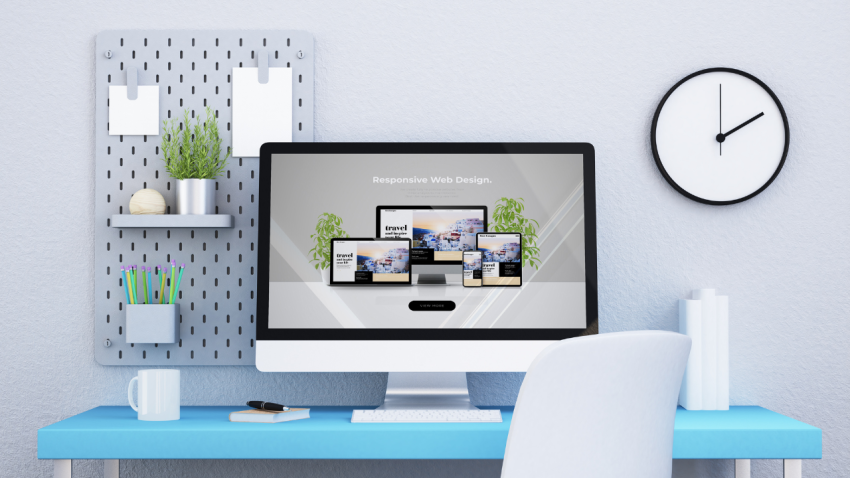 One page websites can be incredibly dynamic and refreshingly simple marketing tools with which to further your business – but that doesn’t mean they’re perfect for everybody. Some developers argue that swapping a multi-page site in favor of a one page website can be harmful to a company’s online visibility. This is because when all your company information is located on one page, you won’t have the benefit of being able to index several pages with different keywords and meta descriptions that could help your products and services appear in less obvious search engine results pages. This is a Search Engine Optimization (SEO) issue that isn’t guaranteed to affect every website or business, and can sometimes work to a company’s advantage by bolstering its page authority on a more finite set of keywords. But this risk can be a matter of trial and error, which is why some experts warn against relying too heavily upon one, single page website.
Challenges and Solutions for One-Page Websites Navigation and Content Organization One of the primary challenges of a one-page website is ensuring that visitors can easily navigate and find the information they need. Without clear navigation, users might miss important content or become frustrated trying to locate specific sections. To combat this, consider implementing a fixed or sticky navigation menu that allows users to quickly jump to different sections of the page. Anchor links are particularly useful for one-page websites, as they enable smooth scrolling to various content areas. Additionally, using distinct visual cues, such as separators, background colors, or icons, can help differentiate between sections and organize content in a digestible format. Load Time and Performance Given that one-page websites often contain all their content on a single page, they can suffer from longer load times, especially if they are media-rich or feature heavy scripts. To optimize performance, start by compressing images and using appropriate formats (such as WebP) to reduce file sizes without sacrificing quality. Leveraging browser caching and minimizing the use of large JavaScript libraries can also improve load times. If possible, implement lazy loading for images and content sections that are not immediately visible on page load. These strategies can significantly enhance the speed and responsiveness of a one-page website, providing a better experience for users and potentially boosting SEO rankings. Designing a one-page website requires careful attention to visual hierarchy, engagement, and interactivity to ensure a compelling and user-friendly experience. Meanwhile, addressing challenges related to navigation, content organization, and website performance is crucial for maintaining the site’s effectiveness and achieving business objectives. At the end of the day, only you know what’s right for your business. Just remember to do your homework before you choose to experiment with a one page website, and ensure you’ve got discernible aims and KPIs to decide swiftly and decisively whether a one page website is working with you rather than against you. Source: https://smallbiztrends.com Image: Sheet of Paper Photo via Shutterstock  If you’re a small business owner, chances are you’ve considered taking out a loan to help finance your operations. But how do you know if you’re eligible for a small business loan? And what’s the process like? In this comprehensive guide about how to get a small businesses loan, we’ll discuss everything you need to know, including some handy tips from some insiders. Let’s get started with successfully securing that loan for your venture! How to Get a Loan for a Small Business  So you have your business plan, and you’re ready to get a business loan. Before you apply to get a business loan, check out these tips: 1. Business plan Having a business plan is essential when applying for a small business loan. Your business plan will show lenders how you plan to use the loan and how you will repay it. A good business plan will also include financial projections for your business. 2. Have a good credit score With a good credit score, you will be more likely to get a lower interest rate on your loan because you are a less risky borrower. If you have a bad credit score, you may still be able to get a loan, but the interest rate will be higher and you’ll have fewer options for lenders. 3. Having collateral Collateral is an asset that you pledge to the lender in case you can’t repay the loan. Collateral can be your home, your car, or other personal assets like stocks, bonds, or jewelry. Having collateral will give you a better chance of getting a loan, but it’s not always required. 4. Strong repayment history If you have a strong history of repaying loans, you will be more likely to get approved for a small business loan. Lenders will want to see that you have a track record of repaying your debts on time. 5. Apply for the right loan There are many different loan options for small businesses. Make sure you apply for one that’s best suited to your business’s specific needs. For example, if you need money for equipment, you may want to apply for an equipment loan. 6. Find the right lender There are many different lenders out there, so it’s important to find the right one for you. Consider things like interest rates, repayment terms, and fees before making a decision. You’ll also want to consider whether you want to work with a bank or another type of lender. 7. Provide financial statements Financial statements show lenders how much revenue your business generates and how much debt it has. These statements will help the lender determine if you can repay the loan. Financial statements include things like balance sheets, income statements, business bank statements, and cash flow statements. 8. Complete the application process The application process for a small company loan can be time-consuming. Make sure you have all the required documents and information before you start. You’ll also want to make sure you understand the terms of the loan and what will be expected of you before you sign. 9. Be prepared for the underwriting process Underwriting is the process by which lenders evaluate your loan application. They will look at things like your credit score, business history, and financial statements. Be prepared for this process by having all the required documentation, such as your business license and tax returns. 10. Work with a professional There are many different types of loans, and the process of applying for one can be complicated. If you’re not sure where to start, or if you need help with the application process, consider working with a professional loan advisor. They can help you find the best loan for your business and guide you through the application process. What Is a Small Business Loan?  A small business loan is a financial tool that aids small businesses in accessing the necessary capital to operate, expand, or kick-start their ventures. These loans are generally offered by a variety of financial institutions, with diverse terms and interest rates. Here’s a closer look at some aspects of a small business loan: Definition and Purpose:
Lender Options:
Loan Types:
Application Process:
What Are the Types of Small Business Loans?  There are many different types of small business loans offered by lenders. Many lenders even work with the Small Business Administration (SBA) to offer loans backed by the government. Here is a list of the primary types of small business loans:
Do You Qualify for a Small Business Loan? 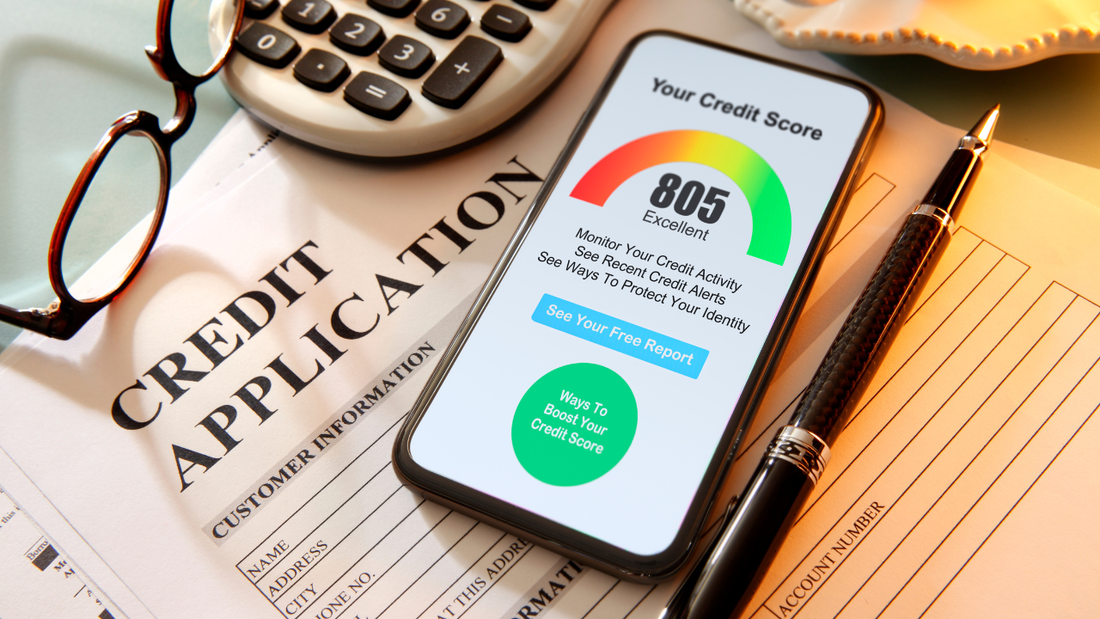 To qualify for a small business loan, you’ll need business assets, among other things. Here are some general qualifications lenders look at for small business loans:
How Do You Choose the Right Lender for a Small Business Loan?  When looking for a small business loan, it is important to choose the right lender. Traditional lenders, such as banks, offer loans to businesses that have been in operation for a certain amount of time and meet other criteria. Online lenders are a good option for businesses that do not meet the requirements of traditional lenders or those who need money quickly. It is important to research the different small business lenders and compare interest rates, terms, and other factors before making a decision. What Are Alternative Options to a Small Business Loan? There are numerous alternative funding options available for small businesses that may not qualify for traditional loans, particularly for those with unique needs or less-than-perfect credit histories. These alternatives offer a variety of benefits, catering to different business models and financial situations:
Also consider:
Are Small Business Loans Hard to Get? There is no definitive answer to this question, as it depends on the lender and the specifics of the loan application. However, business credit scores are often a factor that lenders consider when approving or denying a loan. High credit scores indicate that a business is reliable and has a good credit history, while a low score may suggest that the business is risky and may not be able to repay the amount borrowed. What Is the Easiest SBA Loan to Get? The easiest SBA loan to get is the 7(a) loan. This loan is for small businesses that are starting up or expanding. Use the amount for a variety of purposes, including working capital, buying equipment, and marketing. The process for getting this loan is relatively simple, and the requirements aren’t as strict as other types of loans. Can You Get a Loan for Your First Business? Yes, as a new business owner, you can secure a loan for your first company. The SBA provides loans to entrepreneurs starting or expanding a small business. However, navigating the loan acquisition process can prove complex. You must present a strong business plan and maintain a solid credit history. To qualify for an SBA loan, you need to base your business in the United States and satisfy specific criteria. You might also want to explore some of the alternative financing options mentioned earlier in this article. Source: https://smallbiztrends.com Image: Depositphotos |

Membership is open to businesses and organizations interested in increasing visibility and brand awareness in Westchester County and surrounding areas.
Archives
February 2024
Categories
All
|
 RSS Feed