 Once upon a time, targeting an audience was a relatively simple proposition for a brand or an advertiser. Think radio, print, and television; specifically, the three broadcast networks and a handful of independent stations. Then there were more broadcast nets, the rise of cable, and the arrival of the internet, social media, and the streaming services. Flash to the present and the latest entry in the world of digital technology is the metaverse, which begs the question…what exactly is the metaverse? And how will this impact the world of content and the way brands plan their advertising strategies? “On paper, the metaverse is described as an immersive three-dimensional virtual experience spanning various digital platforms and merging with the physical world,” noted Mike Tankel, partner/optimist at the marketing and development firm To Be Continued. “Users can interact with a computer-generated environment for entertainment, social interaction, and work, among other things, which will increasingly take place in the metaverse world.” One prediction is a universal shift from the internet to the metaverse, or as some say, from web 2 to web 3, centralization to decentralization, bridging the digital and physical lives of the next generation. Another is how the metaverse promises to alter the current state of online advertising significantly. For a marketer or brand, the burgeoning influence of the metaverse certainly cannot be discounted. But that is not to say there might not be some initial skepticism. “What we often say to brands is to not be afraid of the metaverse,” said Ann Hand, Chairman and CEO at Super League, who spearheads the strategic partnerships for brands in this new digital world and culture. The audience is there and the opportunities exist, but the ad dollars have not caught up yet.” Super League is a leading creator and publisher of content experiences and media solutions across the world’s largest immersive platforms. “It is kind of like the move of TV and cable to the internet, where the advertisers and brands were initially questionable and could not get their heads around the content and the measurement being different,” said Hand. “We are here to not just create campaigns for brands in the metaverse, but to be the inner point solution for them to start to create a persistent presence no differently from what they do on other social media channels.” “For years, sports have been a holy grail for marketers, from in game promotions to Super Bowl activations and multi-million dollars ads,” noted Mike Tankel. “Now, with the metaverse, we have the stadium of the future where we know who’s participating, who’s sitting in each seat and who’s watching allowing us to deliver them an engaging experience they not only remember but can readily act upon.” By the numbers… According to the website METAV.RS, there are over 400 million active metaverse users at present every month. Seventy four percent of American adults are considering or have joined the metaverse. And, by 2026, 25 percent of individuals are expected to spend an hour per day in the metaverse. “At the beginning, we started bringing gamers together, structuring leagues around them, in movie theaters in 2015. But instead of watching a movie, they would sign on to the network we had established with city-on-city matchups and live leaderboards,” remembered Ann Hand, who prior to joining Super League in 2015 was the CEO of clean tech start up Project Frog, and held a variety of senior positions with oil industry company BP. She began her career at Exxon-Mobil in 1990 and had a two-year stint as a Business Development Manager at the McDonald’s Corporation in the mid-1990s. “What I saw in these early games were family connections and friendships being formed, communities coming together, barriers being broken down, and misconceptions about the gaming community being refuted,” noted Hand. “At that time, it was about finding the business model. The primary goal was to develop the right strategic partnerships and to see if there was something that could be scaled.”  In market value, the metaverse is predicted to rise to $800 billion by 2024. An estimated 25 percent of American individuals will spend at least one hour per day in the metaverse by 2026. And, by 2030, the metaverse could contribute an additional five trillion U.S. dollars to the world economy. “Early on, the hardest part was getting the permission from the people who made the games and the publishers,” said Hand. “The model always was we would have brands or sponsors help us. I needed to position how Super League could be a trusted place for their brand and community, and that we would be transparent. And I was raising money; operations, fundraising, and partnerships basically.” The Road to Digital Recognizing the growing value of esports from a live event showcase that was not all that profitable at its inception, Ann Hand refers to 2015 to 2019 (or 2020) as having “a lot of pivots and iterations in the business.” “After the first couple of years of running these live events, we looked at the unit economics and realized we had to become more digital,” noted Hand. “That is the way gamers game; they game from home. So, we started to run digital tournaments that allowed us to grab more players, while the crescendo of the tournament might be a live event.” “Then, right before the pandemic, and when it hit, we then realized we had to be completely digital to properly monetize our actions,” she said. “We had a Minecraft property at the time, which we still have today, called Minehut, that allows you to invite your friends into your own private server. We grew that from about 100,000 registered users to about two to three million registered users, and we made the decision to just really double down on where we had the most digital engagement (which was that property).” “We still do esports experiences and events, but when you go into Minecraft and Roblox, or any of these open world or open map games, you are talking to way too small of a segment with just the most competitive one. So, we made the decision to cast a wider net and speak to the hyper casual gamer as well who was there for social and creation and other things,” explained Hand. “While we would still do things at times with other game titles, we shifted our focus to Minecraft and Roblox and took that brand positioning to say we were the place that could help bring brands into these massive digital social platforms.” A New Era of Content Creation Ann Hand also cites the emergence of the co-creation of social media platforms like Tik Tok, where you get to be the creator and get to make your own content, and Roblox, which puts the tools in. “All of a sudden you had Minecraft out there, you had Fortnite buzzing that they were going to open up all their tools to allow you, and then Roblox was the dominant factor,” noted Hand. “The average Roblox user spends 156 minutes a day on it. The second closest social channel is Tik Tok at 95 minutes.”  For advertisers, targeting the gaming community, or any digital audience, was – and still often is – a foreign concept. But the advertisers and sponsors still marred by this uncertainty of anything new are predicted to eventually be part of these massively populated gaming communities. According to a data presentation earlier this year by Banklesstimes.com, American businesses are planning to increase their metaverse ad budgets from $0.53 million to $1.93 billion between 2023 and 2028, which at conclusion represents a rise of 264 percent in advertising spending in the virtual world. Statista, meanwhile, is predicting the metaverse ad budgets to skyrocket to $2.52 billion by 2030. “What we like about these open world games is we can bake advertising, so to speak, in an immersive way into the game because we can modify the maps,” noted Hand. “That is something that I think is hard to understand for some brands and investors because a lot of them don’t understand the difference, for example, between Pac Man, which you can’t change the map, and these mini- games inside Roblox, where you can continually change the them.” “What we have done for Mattel, where we created an immersive experience in Roblox in celebration of Barbie’s Dreamhouse, we can do themed to any brand. “Forty-seven percent of U.S. consumers say they expect to meet a brand first in metaverse or immersive verse. This is the place where you start the relationship, that then converts to the physical.” In addition to Mattel, Super League has worked with brands like Chipotle, Disney Paramount, LEGO, Toyota, Motorola, Hershey’s, Warner Bros. and with media properties like the Broadway musical Hamilton and Dreamworks animated film Trolls to design in-game activations inside platforms, such as Roblox and Fortnite. “What I often say to brands is to not let the word ‘gaming’ get in the way,” said Hand. “Yes, this is a highly interactive gamified experience. But this is also what the next generation of social media channels look like. They are just more personalized, more customized, and more intimate, and a must for any advertiser to reach today’s audience.” “Ideally, the metaverse is a destination without hierarchy, where people can play, work, speak, learn and shop not just as who they are, but as who they want to be,” said Mike Tankel. “And it is now a key destination for brands and advertisers.” Source: https://www.forbes.com Image Credit: GETTY and SUPER LEAGUE
0 Comments
 Email marketing can best be described as a marketing strategy that uses emails to generate measurable returns for your business. This differs in a few ways from a typical email you might send to a relative or coworker. First, a marketing email is sent to either a current or prospective customer. Second, while personal emails are often just relaying information, the goal of a marketing email is always to drive business-benefiting action. This is achieved through delivering value to your readers, often in the form of engaging content, coupons, and exclusive offers. Finally, while you may send out a personal email and move on immediately, marketing emails should be measured to see if readers are opening them and taking action. Why email marketing is the way to go Studies show that email marketing continues to outperform other digital marketing channels including social media and paid search. And with an average return of $36 for every dollar spent, investing in email marketing can have some serious payoffs. Email marketing has several advantages over traditional marketing channels, including:
Additionally, email marketing is relatively cheap. Whether you do it yourself, or through an email marketing provider, marketing to hundreds of customers via email is going to cost you peanuts compared to other channels of advertising. You can send targeted emails based on what you know about your customers – such as likes, dislikes, content preferences, age, location, and buying patterns. Consider this: according to a 2019 Radicati Group study, there will be more than 4.3 billion email users by the end of 2023, over 100 million more than the previous year. In other words, over half of the people on this planet use email right now. That sounds crazy, doesn’t it? But, think about it. Whenever you register with a new website or sign up for an account, you need to have an email address. Yes, it’s true you can log in with a social media account like Facebook, but you still need to have an email address to sign up for Facebook. Email is still the dominant form of communication and smart businesses are using email every day to turn prospects into customers. What’s more, email results are easy to measure. Constant Contact customers have real-time access to metrics like open rates, clicks, bounces, forwards, social shares and more. Eight things you need to know before getting started with email marketing: 1. Choose an email marketing service provider If you’re serious about email marketing, you need to work with an email marketing service provider. Working with a provider is the only way your business can leverage email marketing to effectively deliver messages to large groups of contacts or subscribers. You’ll also benefit from professional email templates, automation tools to help you expand, easy ways to manage and grow your email list, and tracking features that show you how customers are responding to your emails. 2. Gather contacts for your email marketing list Most businesses have some existing contacts when they start a mailing list. Think of the customers and people with whom you already have a business relationship. Maybe they’re contacts you email on a regular basis, or you could simply start with a few supportive friends and family members. Even if you’re building an email list completely from scratch, don’t get discouraged. Start by putting a paper sign-up sheet near your register, adding an online sign-up form to your website, and encouraging your social media followers and loyal customers to sign up. Whatever you do, don’t purchase an email list. Email marketing management is all about building and nurturing relationships; connecting with a smaller list of quality contacts is more impactful than blasting out emails to contacts that don’t even know your business. 3. Set up your welcome email The first email a new subscriber should receive is the welcome email. These are extremely important, for they set the tone of your entire email campaign. If your welcome emails don’t resonate with your audience, there’s a good chance that they’ll click the unsubscribe button. Therefore, you must get this right if you want to retain your subscribers and turn them into paying customers. Once set up, your welcome email sends to all new contacts, automatically. 4. Write persuasive messages This tends to be one of the scariest steps for business owners. You don’t want to sound too salesy or push too hard to get potential customers to buy your products, but at the same time, you want to convert them into paying customers. When thinking of email marketing campaign ideas, it helps to follow a repeatable process and break your message down into three important sections:
This simple three-step formula helps you stay focused so that you can write more effective messages. 5. Use personalization in subject lines The subject line of your email is one of the first impressions someone gets from your brand, especially when you’re sending them an email for the first time. Using what you already know about the customer in your favor should be your first priority while sending email marketing campaigns. Your subject line should be short and snappy — around 40 characters. You can draw attention by asking a compelling question, including a deadline for urgency, or just teasing your message. 6. Focus on customers, not your products Ever received a marketing email from your favorite brand that talks about multiple products available on their website, except none of them interest you? Yeah, that can get a little annoying. An email that’s cluttered with products that hold no relevance to the customer will cause them to lose interest in your email and maybe unsubscribe if it happens multiple times. When you’re dividing your readers into segments, make sure to remember at what stage of their customer lifecycle/purchasing cycle they’re at, as in whether they’re a new customer or someone who’s left something behind in their cart. A little extra effort when segmenting emails can go a long way. 7. Preview and test before you send You’ve spent hours creating the perfect copy and creative for the big anniversary sale for your business. As you hit send, you realize the promo code on the main banner is wrong. Uh oh! Not only have you lost potential customers, but you'll likely infuriate existing customers too. Similarly, if a link you’ve included in the email leads your readers to the wrong landing page on your website, or if it’s broken, customers may not want to do business with you. Make sure you check all the links and promo codes by sending a test email. Include multiple people from your team so they can check on them as well. 8. Track your results Email marketing doesn’t end with a send. You will want to track your open rate, click-through rate, unsubscribe rates, etc. and work to improve over time. You need to know which metrics will help you create a perfect email marketing strategy. These aren’t the only indicators of optimal email performance, but they’re a good start. Remember to A/B test different emails with different segments to see what works and what doesn’t. Learning from these metrics can further help you define your goals and answer some important questions – “Are customers opening my emails, are they clicking, and do they care at all?” Knowing what works and what doesn’t help you save time, effort, and money. How does email marketing benefit my business? One of the top benefits of email marketing is that it allows you to keep in touch with your customers on a consistent basis. Be it a simple, “Thank you for subscribing,” a cheery, “Welcome on board,” or a sincere Happy Birthday email is the easiest and most effective way to let your customers know you value them. Customers love it when a business treats them as an individual, not just like everyone else. That value should show in the emails you send, and the more value you provide to your customers, the more they’ll look forward to hearing from you. When that happens, it’s easier to get them to engage with your call to action. Key benefits of building a solid email marketing strategy: 1. Boost engagement & loyalty Emails triggered based on user actions have a better chance of getting a response than standard email campaigns. Whether your user is extending their subscription or buying a new product, you can leverage email drip campaigns to engage customers during the renewal or new purchase process. Whenever a user leaves an unpurchased product in their cart, use email automation to follow up and let them know that the product is still available for purchase. Your drip emails have a pretty good chance of closing the sale. Abandoned cart emails average a 43.76% open rate, an 8.76% click-through rate, and a conversion rate of 10.7%. 2. Promote relevant content When you’re aware of where a customer fits into your email cycle, it’s easy to send them content that’ll interest them and keep them engaged. Email campaigns become especially handy when you’re running a small business and cannot give as much time and effort to every customer and lead. Try targeting user segments with drip marketing based on which aspects of your service they use most, or what kinds of content they find interesting. 3. Help in increasing brand awareness Email marketing is a great way to develop your brand identity because it gives you a direct line to the email inboxes of your customers or potential customers. Once you begin creating valuable content for the customer, you’ll have an edge over your competitors. You can even use your emails to get useful feedback. Are customers happy with the content you’re providing? Would they like to learn something different? Use a survey or start a discussion on social media. Once you get them involved in the process, you’ll know exactly how to provide valuable content in your emails. 4. Boost sales Email marketing offers a great opportunity for impulse buying. You can entice a customer to make another purchase in a few ways:
Customers often act on impulse when they get an email letting them know about a relevant product which is related to their previous purchase. This is especially true if there is a relevant promotion. Start sending your emails with confidence! Like most things, email marketing management can seem slightly daunting at first. Building an email marketing strategy that fits within your budget and doesn’t utilize too much time or too many resources can be a mountain that seems too high to scale with ease. Email marketing is by far the best channel to attract new customers and turn existing customers into loyal ones. With effective marketing ideas, you can engage and connect with your customers to drive repeat sales and a steady revenue stream for your business. Source: https://www.constantcontact.com  To be honest, sometimes I, too, forget that LinkedIn is a social media platform and ripe for social media marketing. Its personality is so different from TikTok or Facebook, so much more serious than them. LinkedIn is the professional’s social network. These days, many employers and applicants find themselves spending time on the platform, but it’s more than just a networking site for people on either side of the job search. Today, it is a potent tool for lead generation, networking, and advertising. With over 950 million users, LinkedIn serves as a vast marketplace for businesses to showcase their products, services, and brand values. It’s more important than ever for business professionals to learn how to develop a LinkedIn marketing strategy. The platform’s character is unique. As you develop a social media strategy for it, it’s important to keep in mind these LinkedIn marketing tips that leverage its particular strengths. Let’s get serious about the serious person’s social platform and create content that educates, engages, and entertains. The potential of LinkedIn in your marketing With LinkedIn, you can improve your business’s reach. For example, international brands might take advantage of a user base spanning more than 200 countries and territories. However, LinkedIn is smaller than other social media platforms such as those operated by Meta. LinkedIn’s real value proposition lies in its ability to connect you with a better-fitting niche audience, improving your lead generation and helping you build an engaged community. Major players in the following industries have made a LinkedIn social media strategy increasingly popular:
It’s more common for business-to-business (B2B) companies to have a LinkedIn marketing strategy than for business-to-consumer (B2C) brands, but the platform is ripe with potential for both types of marketing. Lead generation Grow your number of followers — and potential clients — by publishing high-quality content. Like other social media platforms, LinkedIn also offers opportunities for sponsored content, in which you can pay to promote your posts to a new audience. LinkedIn excels when it comes to ad-targeting options, the choices marketers have to narrow their chosen audience. It allows you to target people by detailed information about your prospects’ industries and professional roles. This ability particularly helps B2B brands who need to find leads within other businesses, but everyone can use it to reach their ideal customers more efficiently. Community and engagement Unsponsored content includes posts on company pages, personal profiles, and articles. Businesses use it to engage and connect with their audience without paying for promotion. LinkedIn’s users are highly engaged. In the United States, 69% of users check in on the platform daily, with a further 15% using it several times a week. These users aren’t simply scrolling through posts without paying attention. In 2022, the average rate of engagement per impression was 3.16%. That’s substantially higher than Instagram (0.6%), Facebook (0.15%), or X, formerly known as Twitter (0.05%). This high level of engagement translates into increased visibility and higher conversion rates. Not to mention, it’s always more satisfying to talk to people when you know they’re listening. Credibility LinkedIn lends itself to thought leadership and high-value industry content. Brands can use it to improve their reputation in a field. It’s also one of the most trusted social media platforms, indicating that users assign posts a higher level of authority. Use LinkedIn to show off your expertise. Publish all of that hard-won, niche-specific know-how you’ve acquired over the years to an audience capable of appreciating it. Key steps to kickstart your LinkedIn marketing strategy A successful LinkedIn strategy lets companies expand their digital footprint and drive growth. After signing up for the platform, it’s important to take the right steps to leverage its potential. Identify your marketing goals and objectives What do you hope to achieve through LinkedIn? A clear vision is crucial. Take the time to define SMART goals, objectives that are:
Think of it this way — it’s impossible to know whether you’ve won without knowing which game you were playing. There are many possible objectives for LinkedIn marketing. Increasing brand awareness on the channel Reach a larger audience and work toward widespread brand recognition. Get your name and content in front of a large, relevant audience. Build to higher levels of recognition, making viewers increasingly likely to connect your brand to your mission. Generating new leads One of the main goals of any marketing strategy is to attract potential customers. Focus on creating compelling content that encourages LinkedIn users to fill out a form or otherwise contact you. Driving website traffic Use LinkedIn to direct users to your website. Announce new or special offers and tease blog articles on LinkedIn with a description or excerpt that encourages readers to click on the link. Increasing engagement Marketing on LinkedIn can help you build brand loyalty and community. Generate conversations by inviting others to interact with your posts. Engage with their material, too, if relevant. Establishing thought leadership LinkedIn is a great platform to share insights and show expertise in your field. If you aim to establish thought leadership, consider publishing insightful articles or hosting webinars on your area of expertise. Define your target audience and ideal customers Once you know your own mind, a successful LinkedIn marketing strategy requires you to know the minds of your audience. Start by defining your ideal customer persona. Because this is a social networking platform for professionals, focus on professional attributes. What’s their job role? What industry do they work in? What are their interests? Once you have a clear picture, you can tailor your posts accordingly. LinkedIn post best practices include audience-focused content, content created to serve a particular audience’s needs and interests. Consider joining LinkedIn groups that align with your target market. These groups offer valuable insights into your audience’s pain points and interests. It’s an opportunity for you to engage directly with potential customers. As you continue to use the platform, pay attention to your audience demographics. Are you reaching the right people? If not, is the problem with your content strategy or your definition? If you choose to pay for advertising, you’ll also be able to segment and target based on audience profiles. Optimize your LinkedIn business profile for business success Make sure that your business profile is optimized as part of your LinkedIn business strategy. People will want to know exactly who you are and what you offer. Once you have the following elements in place, don’t set and forget your profile. Keep it updated as your business evolves. Craft a compelling headline and summary Your headline and summary are often the first things people see when they visit your LinkedIn profile. They should instantly communicate who you are and what you offer, enticing visitors to learn more. Your headline should clearly articulate your business’s core offering. For instance, if you run a digital marketing agency specializing in SEO, your headline could be “Providing Expert SEO Solutions for Growing Businesses.” 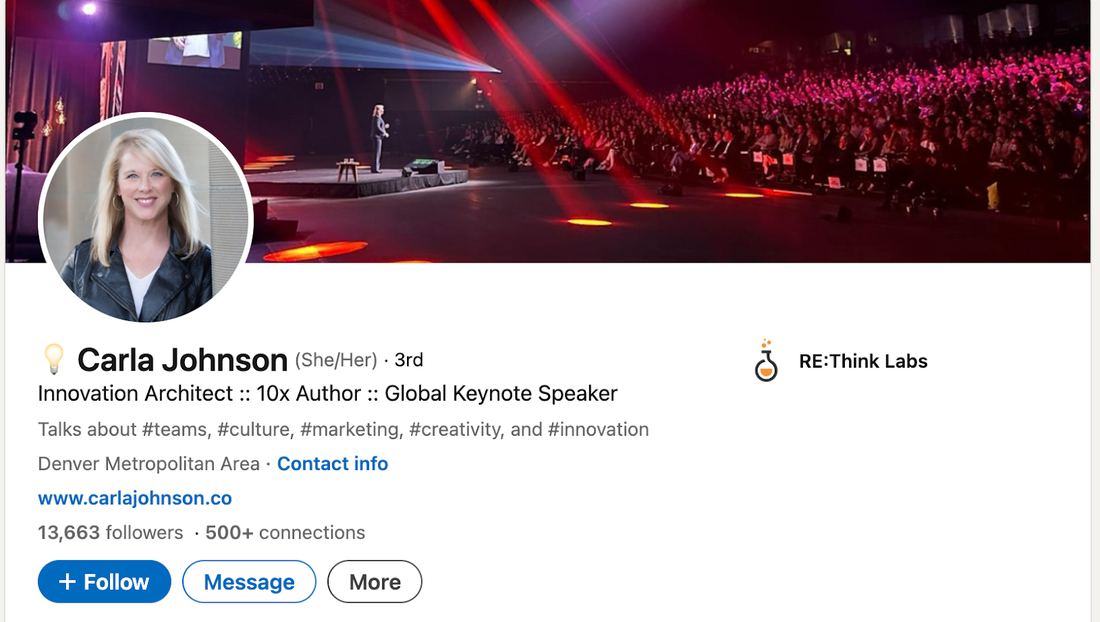 Your summary allows you to expand on your headline, providing a deeper look into your business. Include details about your mission, values, and key service. Showcase your experience and expertise This is no place to be modest. Brag away! LinkedIn is the perfect platform to showcase your business’s experience and expertise. Detail past projects, successful campaigns, and major accomplishments. Utilize professional visuals Visuals can significantly enhance your LinkedIn profile. They make it more engaging and can illustrate your work in a way that words alone cannot. Keep all images highly professional in tone and appearance. Photographs should be polished and, ideally, relevant to your work. Include relevant keywords Including relevant keywords throughout your profile can increase your visibility in LinkedIn search results. Think about the terms potential clients might use when searching for businesses like yours, and incorporate these into your headline, summary, and experience sections. For example, a continuing education company might highlight education keywords like “professional development,” “adult education,” and “online learning.” Remember, keyword stuffing can make your profile seem spammy and may be penalized by LinkedIn’s search algorithm. Instead, aim for the natural integration of keywords into your profile content. Develop a content strategy that resonates How can you best provide value to your audience? Here are five actionable tips to help create a social media strategy for LinkedIn. Share valuable industry insights and tips Sharing industry insights and tips not only positions your brand as a thought leader but also provides value to your audience. For instance, if you’re a financial planner, you could share tips on best practices or insights into the latest market trends. Not sure what people want to learn? Take LinkedIn’s content suggestions tool for a spin. LinkedIn’s AI inspiration engine asks you for your industry, location, and seniority. Then, it delivers trending articles and topics of conversation for your target market. Create engaging visual content Visual content significantly increases LinkedIn engagement rates. Material with quality images attracts more comments, and it tends to make up more than half of a brand’s posts. LinkedIn often lends itself to educational content, and visuals also help your audience understand and retain key points. You can improve accessibility by accommodating multiple learning styles while enriching the experience for all. Don’t limit yourself to static images. LinkedIn is particularly popular with video marketers, with 79% of them publishing there. Share product demos, interviews, and behind-the-scenes footage.  Develop a video marketing strategy for the platform or incorporate it into your ongoing marketing efforts. Share success stories and case studies Sharing success stories and case studies allows you to demonstrate the impact of your product or service, providing potential customers with tangible evidence of what you can achieve. Use LinkedIn articles for in-depth content LinkedIn articles allow you to dive deeper into topics, offering your audience in-depth insights. It’s the best platform by far for longer, written pieces. Articles establish your expertise and keep your audience engaged with your brand. They’ll take some effort, though. The most-shared articles on LinkedIn are between 3,500 and 4,000 words. Popular content includes actionable self-help material and interviews with industry leaders. 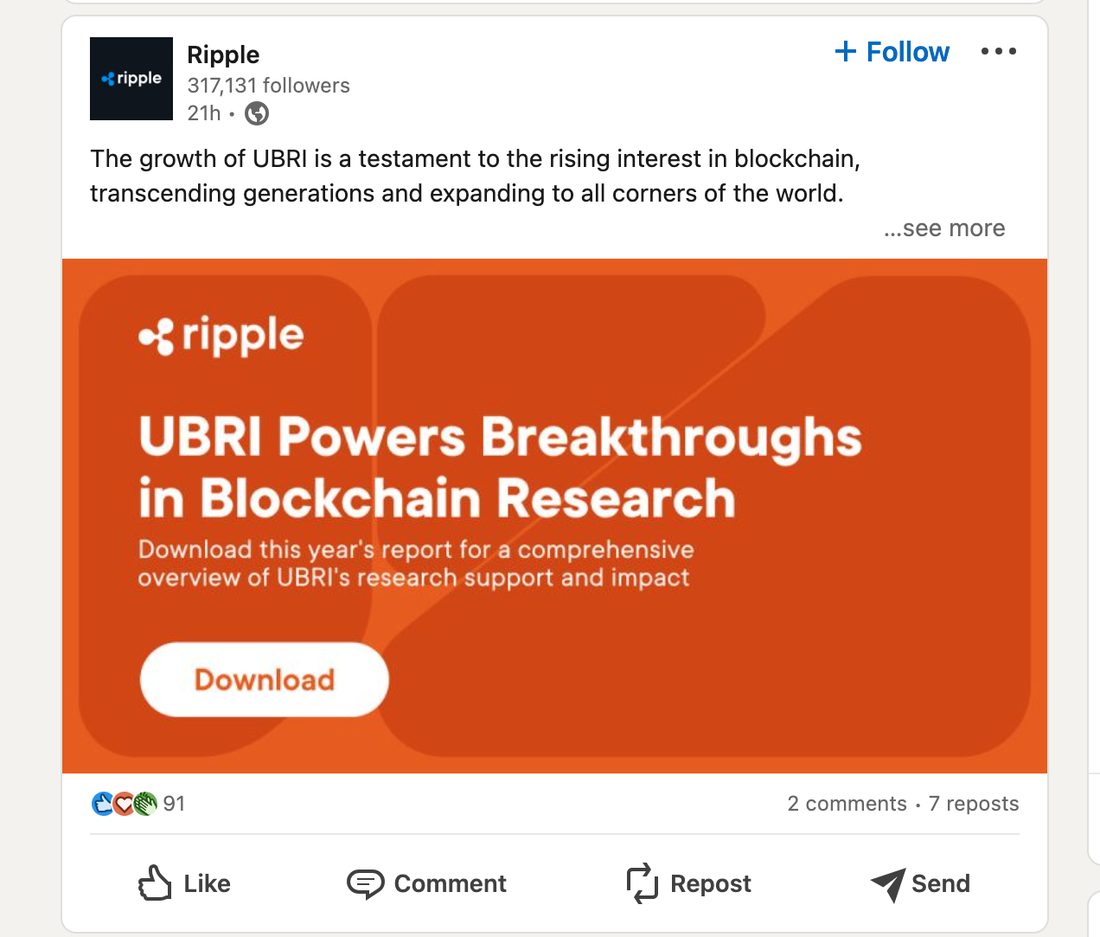 Build and nurture your LinkedIn network It really is a social platform. LinkedIn marketing strategy includes developing the social networks your brand needs to grow. You have the opportunity to find more than an audience here — you can find a community. Inclusivity and diversity LinkedIn gives you the opportunity to reach and connect with people that you wouldn’t otherwise encounter. A diverse network can provide a breadth of perspectives, ideas, and opportunities. Seek to connect with people from different industries, roles, and backgrounds. Their contributions will broaden your perspective. Inclusive networking leads to a broader range of potential sources for social media content curation. Content marketing is about finding the right material to share as well as creating your own. Go beyond announcing your brand values and embody them when you spotlight creators from often marginalized groups. Connecting with others Start by connecting with people and brands you already know, but you can also reach out to other professionals and influencers in your industry. You never know what could lead to the next valuable account or partnership. When sending a connection request, always include a personalized note explaining why you wish to connect. This increases the likelihood of your request being accepted and paves the way for a future relationship. Consistent engagement A key part of social media for beginners is learning how to listen and participate in the community. Like, comment on, and share your connections’ posts. You should also respond to comments, invite feedback, and participate in discussions. These actions show that you value your audience’s input. Leverage LinkedIn advertising and sponsored content LinkedIn advertising is growing. In 2022, the platform generated $5.91 billion in ad revenue, a number projected to increase to $10.35 billion by 2027. You can run advertising through the LinkedIn campaign manager, which allows you to choose your objective and define your audience. As I mentioned earlier, LinkedIn’s comprehensive targeting options make it easy for you to reach the right people based on demographics, job title, industry, company size, and more. You can also target current contacts with special promotions, ensuring that clients and prospects see a post. 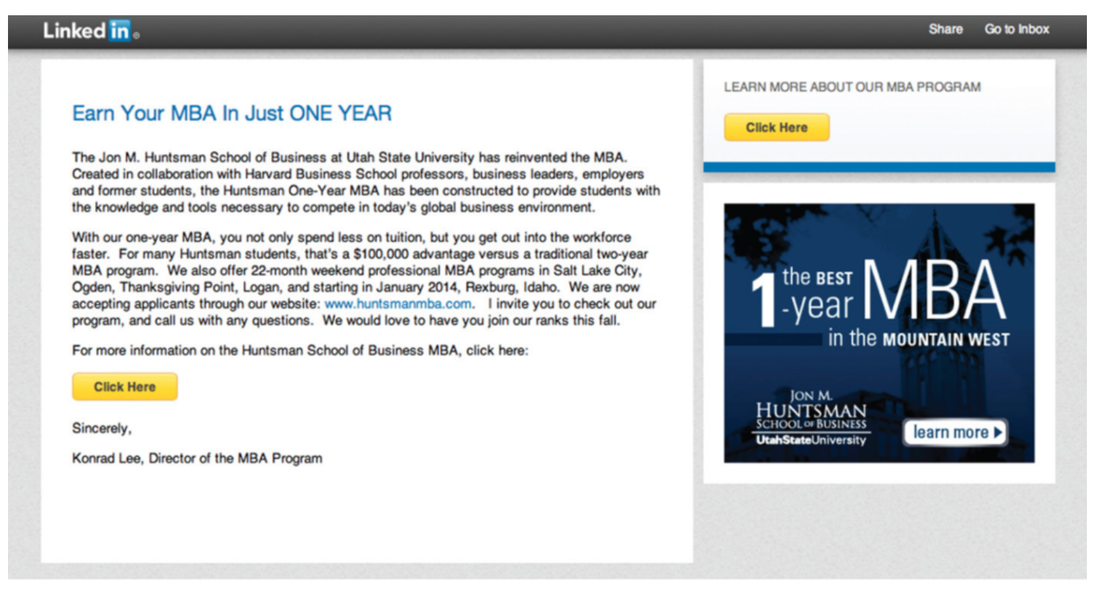 No matter how effective the targeting, the success of a paid LinkedIn marketing strategy largely depends on the quality of your content. Sponsored content should still create value, alerting people to special offers or encouraging them to take a look at potentially useful material. Measure, analyze, and refine your strategy The most effective marketing strategies are constantly a work in progress, informed by ongoing data collection and reassessment. Track key performance metrics (KPIs) Use social media tools to publish content and evaluate its performance.
The KPIs that best measure social media performance depend on your primary objective. For some business owners, it makes sense to focus on engagement rates, while others should look at impressions and page views as brand awareness metrics. You can measure lead generation through CTRs, conversion rates, and new connections or followers. Finally, engagement, shares, and time spent all point toward improved thought leadership and reputation. Analyze content engagement and reach Use metrics to refine content as well as strategy. Which pieces gain the most views, likes, and comments? Build on past successes by using them as a model for future content. Refine your strategy based on insights Once you’ve gathered all the necessary data, it’s time to dive deep into analyzing the insights gained. This analysis will help you identify patterns, trends, and areas for improvement. For example, if your data shows that blog posts with infographics are generating more engagement, consider incorporating more infographics into your content strategy. If your reach is low, explore new ways to promote your content and expand your audience. Finally, don’t be afraid to experiment. Try something new, or evaluate different posts with A/B tests. Develop your brand presence today and get started on LinkedIn A strong LinkedIn marketing strategy can be a powerful part of your digital marketing efforts. Establish yourself as an authority in your field and build the community that surrounds and includes your brand. But I’ve gone on long enough. LinkedIn marketing is about finding your voice. Remember — the first step is to determine your primary objective and target audience for the platform. Are you looking to expand your professional network, find new potential customers, build your reputation as an expert, or increase engagement within your brand community? Once you know this, define the likely characteristics of this audience and the type of content they will find valuable. How does this group match or differ from your audience on other channels or social networking sites? Let these visions guide all LinkedIn strategies for business. Once you have the necessary clarity, you can start working on your profile, connecting with people, and publishing content. Success on LinkedIn may not happen overnight, but the platform rewards time and dedication. So why wait? Get started today. Source: https://www.constantcontact.com Image Credit: LinkedIn  Whether you're a marketer at a fast-growing SaaS startup or a small business owner looking to carve out space as a thought leader, the seven steps that follow are excellent ways to fill your readers with confidence and unleash untapped levels of interaction. 1. Be your own newsroom  The Trust Index found that 55% of decision-makers actively engage with B2B news publications, sending a clear message: The journalistic approach to storytelling affects how buyers might receive and trust your content. It's a tutorial in trustworthiness and an opportunity ready for you to tap. Imagine you're the COO at a fintech startup. You’re facing new regulatory changes that could affect your business. You stumble upon a brand that covers the changes with the depth, scrutiny, and balanced viewpoints you'd expect from a reputable news source. You see interviews with policymakers, insights from industry watchdogs, and even op-eds from other business leaders in the same boat as you. You're both educated and equipped with a panoramic understanding. And that brand? It just became a vital resource instead of a potential vendor. Borrow a page from the journalistic playbook. Think of your content as an ongoing narrative, a story that evolves and expands. Use formats like interviews, opinion pieces, and feature stories to add layers to your content. Invite guest contributors to offer fresh perspectives. And above all, uphold the journalistic principles of accuracy, fairness, and thoroughness. Being your own newsroom isn’t about mimicking a format. It’s about embodying a philosophy and recognizing that your audience wants more than information; they crave understanding, depth, and, above all, trust. By adopting a journalistic approach, you can show and tell your audience that you understand their world. 2. Atomize your content  According to the Trust Index survey, 52% of decision-makers regularly scroll, like, and share on social media. Shouldn’t you be there as well, serving up content in bite-sized, social-friendly formats? Welcome to the world of content atomization. Atomizing content means breaking up a more significant piece—like a pillar blog post or a gated white paper—into smaller morsels. Imagine you’re a busy HR director responsible for launching a new employee wellness program. You’re scrolling LinkedIn and see an offer for a white paper covering the latest research in employee wellness programs. Although you’re too swamped to read a 30-page document in one go, you can spare a few minutes for a two-minute video or a LinkedIn post. You’re interested, so you click on the brand’s business page and find what you’d hoped for—atomized content from the white paper: a series of short blog posts, two infographics, and even a podcast episode. Each piece is a manageable morsel. Collectively, the content tells the whole story. In your eyes, this brand is now a reliable source for easy-to-digest insights. Be like that brand! If you’re wondering what content to create next, look for new ways to present what you already have. Break down your extensive research report into a series of blog posts. Transform the highlights into infographics. Discuss insights on a podcast. In essence, deconstruct your cornerstone content into smaller, more digestible pieces readers can easily consume. 3. Publish in industry magazines  In the digital age, it might seem counterintuitive to add traditional platforms like industry magazines to your content strategy. But the numbers don't lie: 33% of decision-makers in the Trust Index survey still actively engage with these publications because they offer a unique blend of credibility and focus that’s hard to find elsewhere. Suppose you’re a CTO on the hunt for a scalable cloud solution. You’re neck-deep in vendor websites and spec sheets, but it’s an article in a reputable tech magazine that catches your eye. The piece dives deep into the challenges of cloud scalability, offering wisdom gleaned from real-world applications. It doesn't read like a sales pitch; it reads like a story, a conversation among experts. The article answers your immediate questions and positions the authoring brand as a thought leader. Wouldn’t you like your brand to be among the experts in such conversations? Aim for a byline in an industry magazine for invaluable prestige and authority. It's third-party validation, an endorsement that says your insights are worth paying attention to. It's also a signal to your audience that you're not just an observer in your field; you're a participant, actively contributing to the conversations shaping the industry. Also note that most industry magazines publish on digital platforms, each with a loyal following, an active social media presence, and a potential new audience you haven’t tapped into yet. In essence, contributing to industry magazines is like getting an 'all-access pass' to a whole new layer of trust-building opportunities. 4. Stay trendy  You can’t stand still when times are changing as fast as they are. Stagnation is not an option. In the Trust Index survey, 67% of decision-makers said they engage with content primarily to stay up-to-date on industry trends. Ignoring this crucial trust driver could mean falling off the radar of the people who matter most to your business. Imagine you’re a research-hungry supply chain manager whose inbox holds gigabytes of articles, whitepapers, and newsletters. One piece—on the revolutionary impact of blockchain technology on the supply chain—grabs your attention. It’s current and filled with forward-thinking insights you hadn't considered before. It makes you see your challenges in a new light. In your eyes, the brand responsible for the article went from just another name in the inbox to a go-to source for great information. The key to staying trendy is to be discerning. Use reliable data and insights to differentiate between what's a fad and what could be a game-changer for your industry. Keep an ear to the ground by participating in relevant forums, webinars, and conferences. Engage with thought leaders, and become one yourself by sharing your observations and predictions. Being on trend is about more than just being current. It’s about being relevant. It's about showing your audience that you understand the challenges and opportunities shaping their worlds right now. And when you can provide peeks into what's around the corner, your voice becomes a signal decision-makers want to tune into, especially in a world filled with noise. 5. Commission research  We content creators have all been there: Sifting through articles and reports, trying to unearth a gem—a statistic, an insight, anything—that will make our content stand out. But what if you didn't have to rely on the same recycled data everyone else is using? What if you could be the source of fresh, compelling insights? Enter the strategy of commissioning research. Imagine you’re a seasoned CFO with decades of experience. You’ve read every piece of conventional wisdom on financial risk management published in the last 10 years. You don’t want a refresher; you want fresh perspectives. And then you stumble upon a brand’s new report, an original research piece exploring uncharted dimensions of risk in the post-pandemic world. In your eyes, that brand just became a thought leader, offering something new and valuable, something you can’t find anywhere else. Commissioning research isn't a vanity project; it's an investment in your brand's intellectual capital. You're creating a resource that serves your current audience and attracts new ones. It's your ticket out of the “same old content” trap, offering a fresh narrative backed by data. Original research positions you as a thought leader, not just a thought follower. Of course, quality matters. Research here doesn’t mean quick-and-dirty surveys. The research you commission should be rigorous, relevant, and designed to provide insights readers can act on. It should answer questions your audience didn't even know they had and provoke discussions that elevate your brand to the center of industry conversations. 6. Create a content series for the buyer’s journey  Imagine you walk into a bookstore, but instead of organized sections and a clear path through genres and topics, you find a chaotic jumble of books scattered all over the floor. Overwhelming, right? The same sense of overwhelm also happens in the cluttered world of B2B content. And it’s where a well-designed content series comes into play, like a curated bookshelf that guides your audience through a coherent narrative. Imagine you’re an IT director evaluating cybersecurity solutions. Your inbox and social feeds are drowning in one-off articles and product pitches. Then, you discover a step-by-step content series that starts with identifying vulnerabilities and leads to post-implementation best practices. Each piece gives actionable insights without hard-selling a product. In your eyes, deciding which brand to approach first just became easy. A content series is like a well-planned syllabus for your audience. It's not just about serving up individual pieces of content that tackle isolated issues; it’s about constructing a holistic content experience. By mapping each piece to a specific stage in the buyer’s journey, you offer a guided tour that positions your brand as the go-to solution source at every step. A well-executed content series also has a compounding effect on trust. When prospects gain valuable insights from one piece in the series, they’re more likely to continue along the path you laid out, deepening their engagement and trust in your brand. 7. Produce high-quality thought leadership content  What sets your brand apart isn't just what you say and how you say it. It’s also the depth of thinking behind it. A staggering 85% of decision-makers in the Trust Index survey said high-quality thought leadership enhances their perception of a brand. But thought leadership isn't just about publishing more content; it's about sharing a wellspring of valuable insights that provoke thought and inspire change. Imagine you're a CEO grappling with the complexities of digital transformation. You’ve seen all kinds of content, from listicles like "Top 10 Tools for Digital Success" to dense, technical white papers that leave you more confused than enlightened. Then you encounter an article that doesn't just discuss the “what” but delves into the “why” and “how.” It’s rich in strategic insights, grounded in research, and offers a visionary perspective on navigating digital change. In your eyes, that brand just moved from the periphery of your vision to a central resource in your decision-making process. Producing high-quality thought leadership means adding a layer of intellectual rigor to your content strategy. People want more than expertise. They want wisdom. They want the seasoned perspective that comes from understanding the broader implications of a subject. Producing thought-leadership content involves taking risks, challenging the status quo, and offering nuanced arguments that elevate the conversation in your industry. Consider the ripple effects of thought leadership, too. With a sustained commitment to quality and depth, you can redefine your brand's value proposition. And when you consistently deliver content that goes beyond informative to transformative, you're more than a vendor; you're a thought leader. Bottom line? Make trust your brand’s North Star  Building trust with content is doable, but it’s no small feat. It's not just about avoiding trust busters; it's about laying down trust anchors that guide your audience toward a meaningful relationship with your brand. From the trustworthy allure of well-crafted case studies to the intellectual rigor of high-quality thought leadership, the pillars and actions outlined here serve as your path to trust. And let Trust be your North Star. Follow it to lift your brand from a mere source of information to a trusted advisor buyers revere and—more importantly—buy from. Source: https://www.forbes.com Image Credit: GETTY |

Membership is open to businesses and organizations interested in increasing visibility and brand awareness in Westchester County and surrounding areas.
Archives
February 2024
Categories
All
|
 RSS Feed